Homemade Pizza Dough Recipe – Simple, Reliable, and Delicious

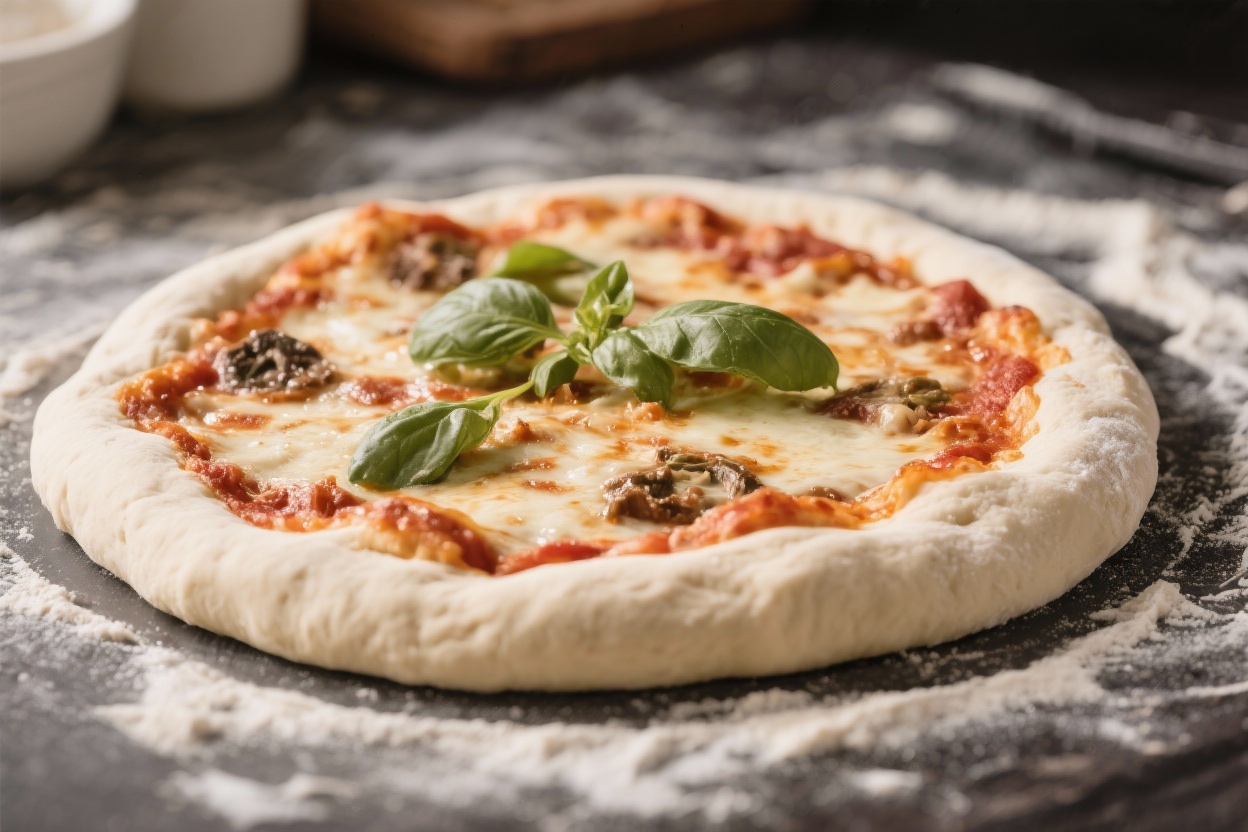
If you’ve ever wanted pizza night to taste like your favorite pizzeria, this homemade pizza dough recipe is your ticket. It’s straightforward, forgiving, and uses pantry staples you probably have on hand. The result is a dough that bakes up crisp on the outside and chewy inside, with a flavor that beats store-bought every time.
Whether you’re making a classic Margherita or piling on your go-to toppings, this dough gives you a solid foundation. It’s perfect for beginners and consistent enough for weekly pizza nights.
Ingredients
Method
- Activate the yeast (if using active dry): In a measuring cup, mix warm water and sugar. Sprinkle yeast on top. Let it sit 5–10 minutes until foamy. If using instant yeast, you can skip this and mix it directly with the flour.
- Mix the dry ingredients: In a large bowl, combine 3 1/2 cups of flour and salt. If using instant yeast, whisk it in now.
- Bring it together: Add the yeast mixture (or water if using instant) and olive oil to the flour. Stir with a wooden spoon until a shaggy dough forms.
- Knead the dough: Turn the dough onto a lightly floured surface and knead 7–9 minutes, adding small sprinkles of flour only if sticky. Aim for smooth, slightly tacky, and elastic. If using a stand mixer with a dough hook, knead on medium-low for 6–8 minutes.
- First rise: Shape the dough into a ball. Place it in a lightly oiled bowl, turning once to coat. Cover with a damp towel or plastic wrap. Let rise in a warm spot until doubled, about 60–90 minutes.
- Portion and rest: Punch the dough down gently. For two 12-inch pizzas, divide into two equal balls. Cover and let rest 15–20 minutes. This relaxes the gluten and makes stretching easier.
- Preheat your oven: Place a pizza stone or an inverted baking sheet in the oven and preheat to 500°F (260°C) for at least 30 minutes. Hot surfaces create the best crust.
- Shape the dough: On a lightly floured surface, press each ball from the center out, leaving a slightly thicker rim. Lift and stretch over your knuckles, rotating until it’s 11–12 inches wide. Avoid using a rolling pin if possible; it presses out air.
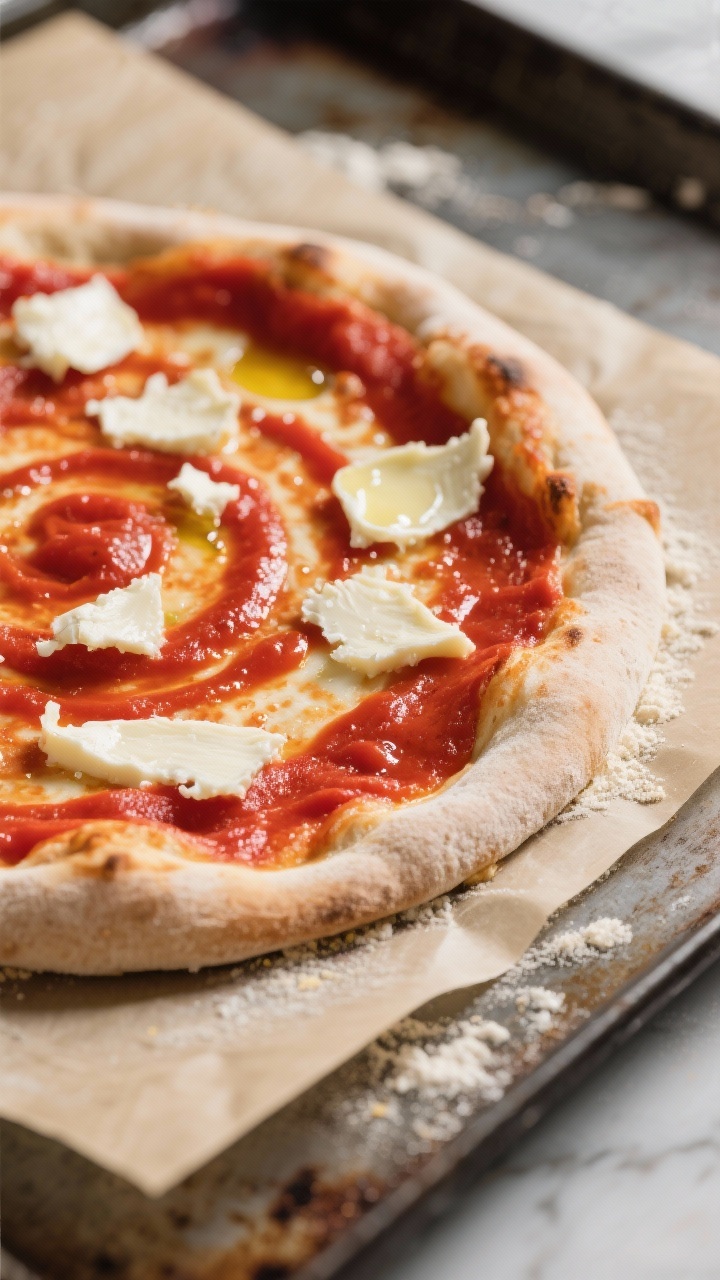
- Transfer and top: Sprinkle a peel or parchment with cornmeal. Move the dough onto it. Add sauce, cheese, and toppings. Keep it light—too much weighs down the crust.
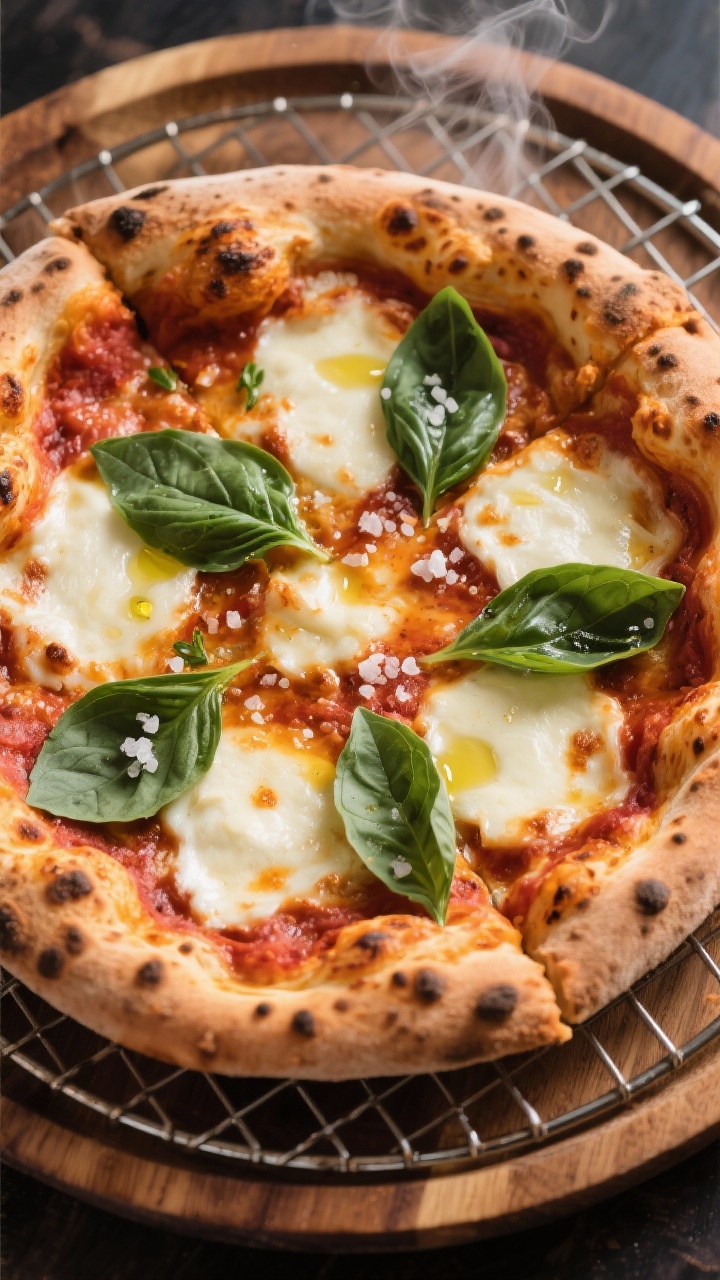
- Bake: Slide the pizza onto the preheated stone or sheet. Bake 8–12 minutes, until the crust is puffed and golden with some charred spots. Rotate once for even browning.
- Finish and rest: Remove to a cooling rack or board. Let it sit 2–3 minutes, then slice. A brief rest keeps the cheese from sliding and the crust from steaming soft.
Why This Recipe Works
This dough balances hydration and structure so it’s easy to handle without sticking everywhere. A short rest builds gluten, while a longer rise adds flavor and lightness.
We use instant or active dry yeast, both reliable and widely available. The olive oil adds tenderness and helps with browning. A touch of sugar wakes up the yeast and supports a gorgeous, bubbly crust.
Shopping List
- Bread flour or all-purpose flour (3 1/2 to 4 cups)
- Warm water (1 1/3 cups, about 105–115°F)
- Active dry or instant yeast (2 1/4 teaspoons, one packet)
- Sugar or honey (1 teaspoon)
- Kosher salt (2 teaspoons)
- Olive oil (2 tablespoons, plus a little for greasing)
- Cornmeal or extra flour (for dusting)
Instructions
- Activate the yeast (if using active dry): In a measuring cup, mix warm water and sugar.
Sprinkle yeast on top. Let it sit 5–10 minutes until foamy. If using instant yeast, you can skip this and mix it directly with the flour.
- Mix the dry ingredients: In a large bowl, combine 3 1/2 cups of flour and salt.
If using instant yeast, whisk it in now.
- Bring it together: Add the yeast mixture (or water if using instant) and olive oil to the flour. Stir with a wooden spoon until a shaggy dough forms.
- Knead the dough: Turn the dough onto a lightly floured surface and knead 7–9 minutes, adding small sprinkles of flour only if sticky. Aim for smooth, slightly tacky, and elastic.
If using a stand mixer with a dough hook, knead on medium-low for 6–8 minutes.
- First rise: Shape the dough into a ball. Place it in a lightly oiled bowl, turning once to coat. Cover with a damp towel or plastic wrap.
Let rise in a warm spot until doubled, about 60–90 minutes.
- Portion and rest: Punch the dough down gently. For two 12-inch pizzas, divide into two equal balls. Cover and let rest 15–20 minutes.
This relaxes the gluten and makes stretching easier.
- Preheat your oven: Place a pizza stone or an inverted baking sheet in the oven and preheat to 500°F (260°C) for at least 30 minutes. Hot surfaces create the best crust.
- Shape the dough: On a lightly floured surface, press each ball from the center out, leaving a slightly thicker rim. Lift and stretch over your knuckles, rotating until it’s 11–12 inches wide.
Avoid using a rolling pin if possible; it presses out air.
- Transfer and top: Sprinkle a peel or parchment with cornmeal. Move the dough onto it. Add sauce, cheese, and toppings.
Keep it light—too much weighs down the crust.
- Bake: Slide the pizza onto the preheated stone or sheet. Bake 8–12 minutes, until the crust is puffed and golden with some charred spots. Rotate once for even browning.
- Finish and rest: Remove to a cooling rack or board.
Let it sit 2–3 minutes, then slice. A brief rest keeps the cheese from sliding and the crust from steaming soft.
Keeping It Fresh
For short-term storage, coat dough balls lightly in oil, place in airtight containers, and refrigerate for up to 72 hours. The cold rise adds flavor and improves texture.
When ready to use, bring to room temperature for 60–90 minutes before shaping. For longer storage, freeze dough balls after the first rise. Wrap tightly in plastic, then place in a freezer bag.
Freeze for up to 3 months. Thaw in the fridge overnight, then let sit at room temperature until soft and pliable before shaping. Leftover baked pizza keeps well.
Store slices in an airtight container in the fridge for 3–4 days. Reheat on a hot skillet or in a 425°F oven for 5–8 minutes for a crisp crust.
Benefits of This Recipe
- Consistent results: The flour-to-water ratio is reliable, and the method is forgiving for beginners.
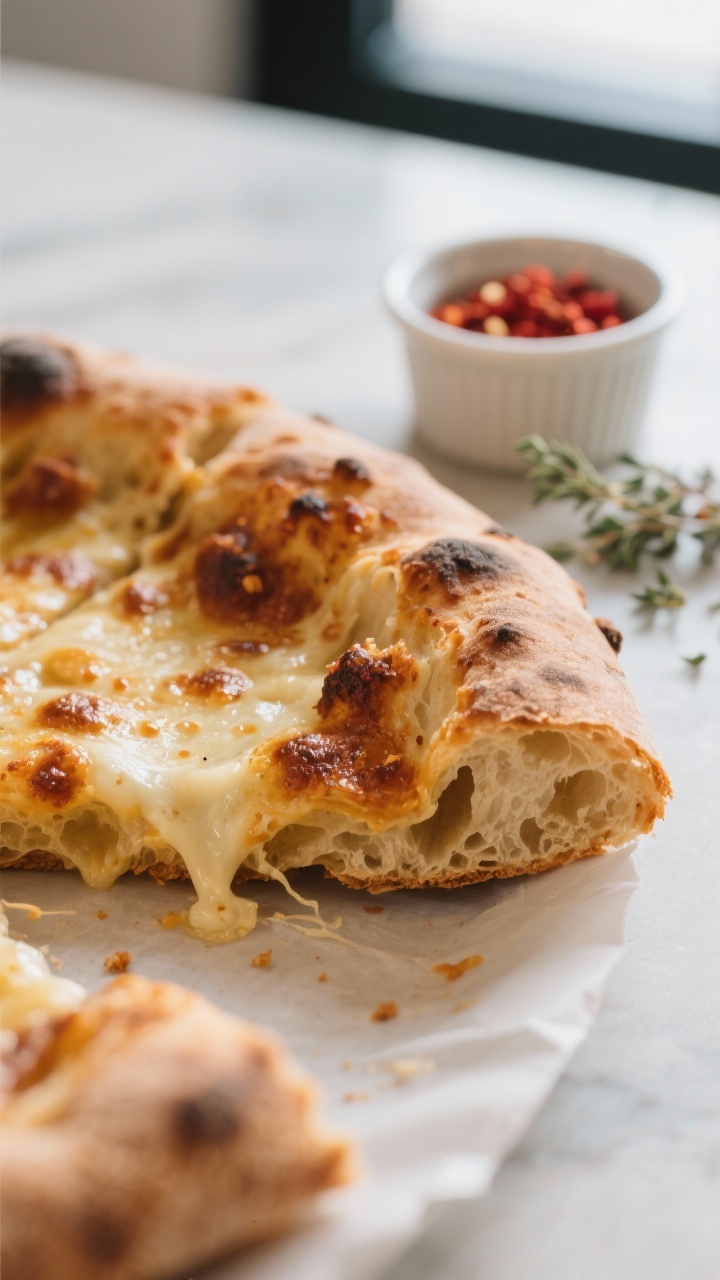
- Great texture: Crisp bottom, chewy center, and a light, airy rim.
- Flexible timing: Works with a quick same-day rise or a slow cold ferment.
- Budget-friendly: Simple ingredients beat takeout costs and taste fresher.
- Customizable: Make thin crust, thicker pan style, or rustic Neapolitan-inspired pies.
What Not to Do
- Don’t overload with toppings: Too much moisture makes the crust soggy and heavy.
- Don’t skip preheating: A blazing-hot baking surface is key to oven spring and browning.
- Don’t add too much flour: A slightly tacky dough bakes up lighter; extra flour leads to dense crust.
- Don’t roll too thin: Paper-thin dough tears and cooks unevenly. Aim for even thickness.
- Don’t spread cold dough: Chilled dough snaps back.
Let it warm up so it stretches easily.
Alternatives
- Flour swaps: Use bread flour for chewier texture and better structure. All-purpose gives a softer bite. For a rustic feel, swap up to 20% with whole wheat flour and add a teaspoon more water if needed.
- Yeast options: Instant yeast mixes right into the flour.
Active dry needs blooming. Both work; just mind the water temperature.
- Hydration tweak: For bigger bubbles, add 1–2 tablespoons more water. Stickier dough can be handled with oiled hands instead of extra flour.
- Pan pizza: Press dough into an oiled cast-iron skillet.
Top and bake at 500°F until puffed, then finish on the stovetop for a crispy bottom.
- Garlic-herb upgrade: Add 1 teaspoon garlic powder and 1 teaspoon dried oregano to the dough for extra flavor.
FAQ
Can I make this dough the day before?
Yes. After kneading, let it rise once, then divide into balls, lightly oil, and refrigerate in covered containers. Use within 72 hours for best flavor and rise.
How do I know my dough is kneaded enough?
It should be smooth, elastic, and slightly tacky.
If you stretch a small piece, it should thin out without tearing right away. If it tears quickly, knead a bit longer.
What if my yeast doesn’t foam?
If blooming active dry yeast doesn’t foam after 10 minutes, the water may be too hot or the yeast is expired. Start over with fresh yeast and water around 105–115°F.
Can I use a pizza stone or baking steel?
Absolutely.
A baking steel delivers even more heat and browning. Preheat for at least 45 minutes for best results.
How do I prevent soggy crust?
Use less sauce, preheat thoroughly, and bake on a hot surface. Pat watery toppings like fresh mozzarella or mushrooms dry before adding.
What’s the best way to reheat pizza?
A hot skillet over medium heat with a lid for 2–3 minutes crisps the bottom and melts the cheese.
Or reheat in a 425°F oven on a baking sheet for 5–8 minutes.
Can I make gluten-free pizza dough with this recipe?
Not directly. Gluten-free dough requires a different flour blend and hydration. Look for a recipe designed for gluten-free baking or use a proven GF flour mix with specific ratios.
How many pizzas does this make?
This batch makes two 11–12 inch pizzas with a medium-thin crust.
For a thicker crust, use the whole batch for one large pizza and extend the bake time slightly.
Do I have to use sugar?
Sugar helps the yeast get going and aids browning, but you can skip it. If you omit it, expect a slightly paler crust and a longer rise time.
Can I par-bake the crusts?
Yes. Bake shaped dough without toppings for 4–6 minutes at 500°F until just set, then cool.
Add toppings and finish baking when ready to serve.
In Conclusion
A great pizza starts with great dough, and this recipe gives you everything you need: simple ingredients, flexible timing, and reliable results. Keep the dough slightly tacky, preheat your baking surface well, and go easy on the toppings. Once you’ve made it a couple of times, it’ll feel second nature—and your homemade pizza nights will easily rival takeout.
Enjoy the process and the slices.
Printable Recipe Card
Want just the essential recipe details without scrolling through the article? Get our printable recipe card with just the ingredients and instructions.