Orange Chicken Recipe – Crispy, Tangy, and Better Than Takeout

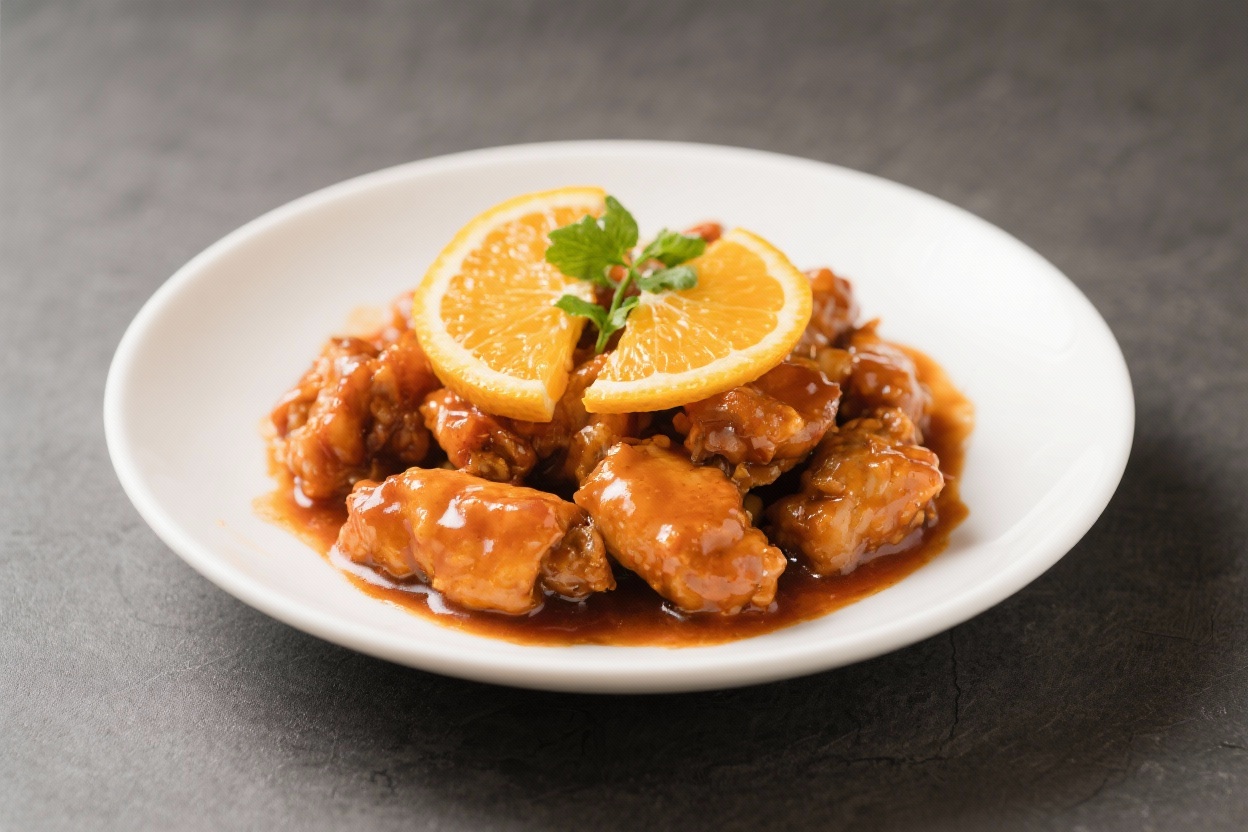
Orange chicken is one of those comfort dishes that instantly brightens the table. It’s crispy, sticky, sweet, and a little zesty—everything you want in a weeknight dinner or a casual weekend treat. This version keeps the crunch on the outside while coating each bite with a glossy orange sauce that tastes fresh, not syrupy.
You’ll use simple ingredients and a few smart techniques to get restaurant-quality results at home. If you’ve been craving takeout, this recipe will scratch that itch in about the same time it takes to order.
Ingredients
Method
- Prep the chicken: Pat the chicken dry and cut into bite-size pieces. Dry chicken means better browning and a crispier coating.
- Make the coating: In a bowl, whisk eggs with a pinch of salt. In a separate bowl, combine cornstarch, flour, baking powder, salt, and pepper.
- Coat the chicken: Dip chicken in the egg, letting excess drip off. Toss in the dry mixture until each piece is well coated. Shake off extra flour-starch to avoid clumps.
- Heat the oil: Add 1/2 inch of oil to a large skillet or use a deep fryer. Heat to about 350°F (175°C). If you don’t have a thermometer, a pinch of coating should sizzle right away but not burn.
- Fry in batches: Cook chicken for 3–4 minutes per side until golden and cooked through. Don’t overcrowd the pan. Transfer to a wire rack or paper towel–lined plate. Tip: For ultra-crisp, do a quick second fry for 1–2 minutes.
- Make the sauce base: In a medium saucepan, combine orange juice, zest, soy sauce, sugar, rice vinegar, ketchup, sesame oil, garlic, ginger, and red pepper flakes. Stir and bring to a gentle simmer over medium heat.
- Thicken the sauce: Stir the cornstarch slurry, then pour it into the simmering sauce while whisking. Cook 1–2 minutes until glossy and thick enough to coat a spoon. Adjust sweetness or acidity to taste.
- Combine: Place the fried chicken in a large skillet or wok. Pour the sauce over and toss quickly over low heat until evenly coated. Don’t simmer too long or you’ll soften the crust.
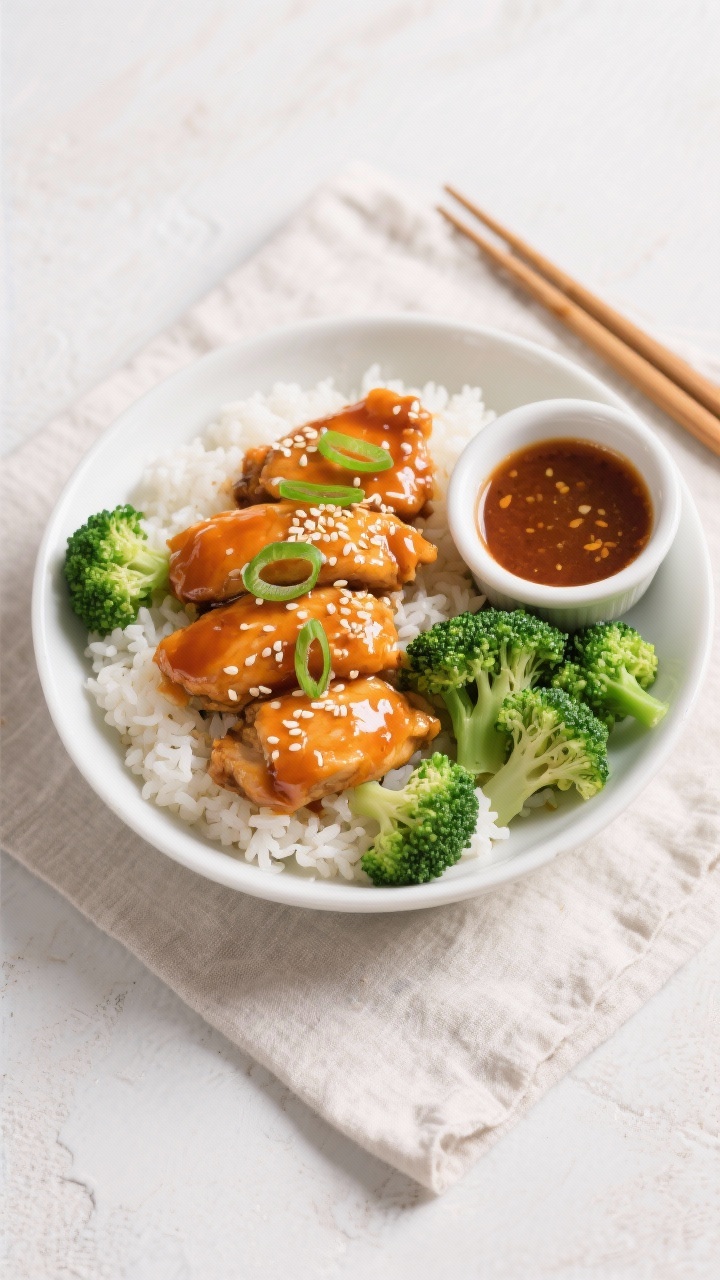
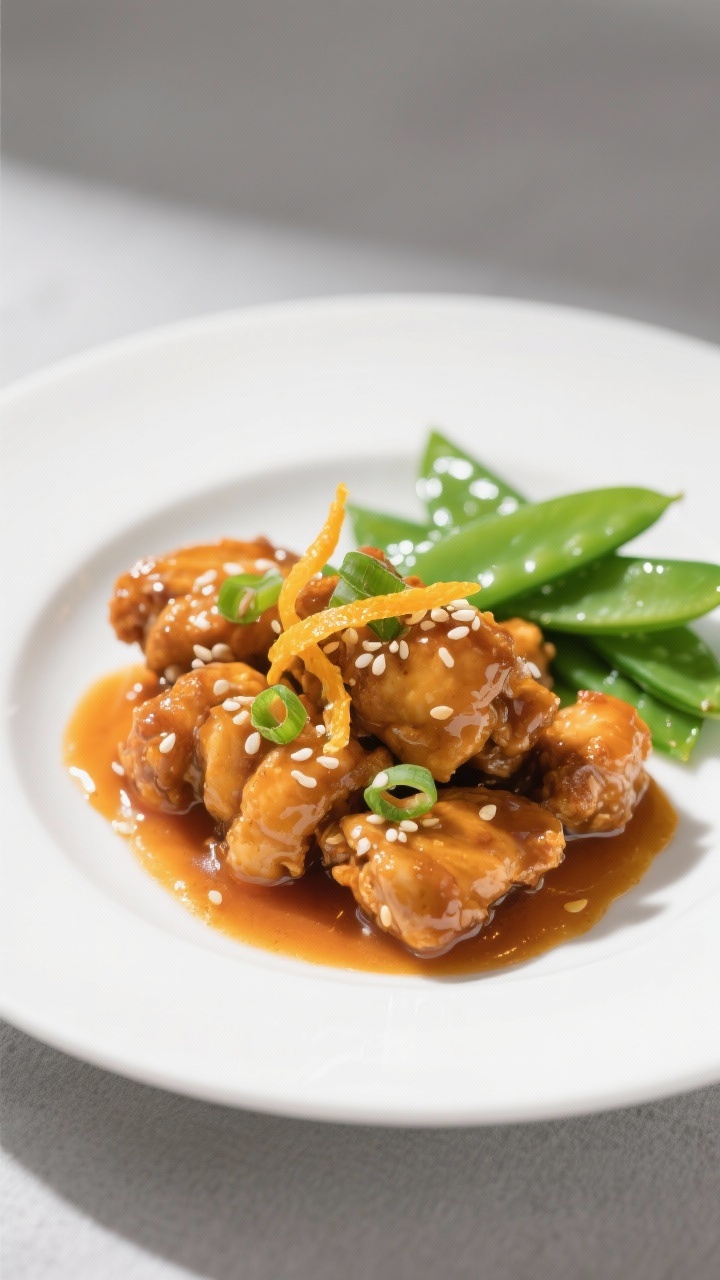
- Garnish and serve: Sprinkle with scallions and sesame seeds. Serve over steamed rice with a side of broccoli or snap peas.
Why This Recipe Works

This recipe balances bright citrus with savory soy and a hint of heat for a sauce that isn’t cloying. The cornstarch coating creates a crisp shell that stands up to the sauce without going soggy right away.
Fresh orange juice and zest deliver real flavor, while a touch of rice vinegar keeps things lively. You can pan-fry instead of deep-fry to keep things approachable without sacrificing texture.
Shopping List
- Chicken: 1.5 pounds boneless, skinless chicken thighs (or breasts), cut into 1-inch pieces
- Marinade/Coating: 2 eggs, 1/2 cup cornstarch, 1/2 cup all-purpose flour, 1 teaspoon baking powder (optional for extra crisp), 1 teaspoon salt, 1/2 teaspoon black pepper
- Oil: Neutral frying oil (canola, vegetable, or peanut)
- Orange Sauce:
- 3/4 cup fresh orange juice (about 2–3 oranges)
- 1 tablespoon orange zest
- 1/4 cup low-sodium soy sauce
- 1/3 cup sugar (white or a mix of white and brown)
- 2 tablespoons rice vinegar
- 2 tablespoons ketchup (for color and tang)
- 2 teaspoons sesame oil
- 2–3 cloves garlic, minced
- 1 teaspoon fresh ginger, grated
- 1/4–1/2 teaspoon red pepper flakes (optional)
- 2 tablespoons cornstarch + 2 tablespoons water (slurry)
- Garnishes: Sliced scallions, sesame seeds, orange zest curls (optional)
- To Serve: Steamed rice and broccoli or snap peas
Step-by-Step Instructions
- Prep the chicken: Pat the chicken dry and cut into bite-size pieces. Dry chicken means better browning and a crispier coating.
- Make the coating: In a bowl, whisk eggs with a pinch of salt.
In a separate bowl, combine cornstarch, flour, baking powder, salt, and pepper.
- Coat the chicken: Dip chicken in the egg, letting excess drip off. Toss in the dry mixture until each piece is well coated. Shake off extra flour-starch to avoid clumps.
- Heat the oil: Add 1/2 inch of oil to a large skillet or use a deep fryer.
Heat to about 350°F (175°C). If you don’t have a thermometer, a pinch of coating should sizzle right away but not burn.
- Fry in batches: Cook chicken for 3–4 minutes per side until golden and cooked through. Don’t overcrowd the pan.
Transfer to a wire rack or paper towel–lined plate. Tip: For ultra-crisp, do a quick second fry for 1–2 minutes.
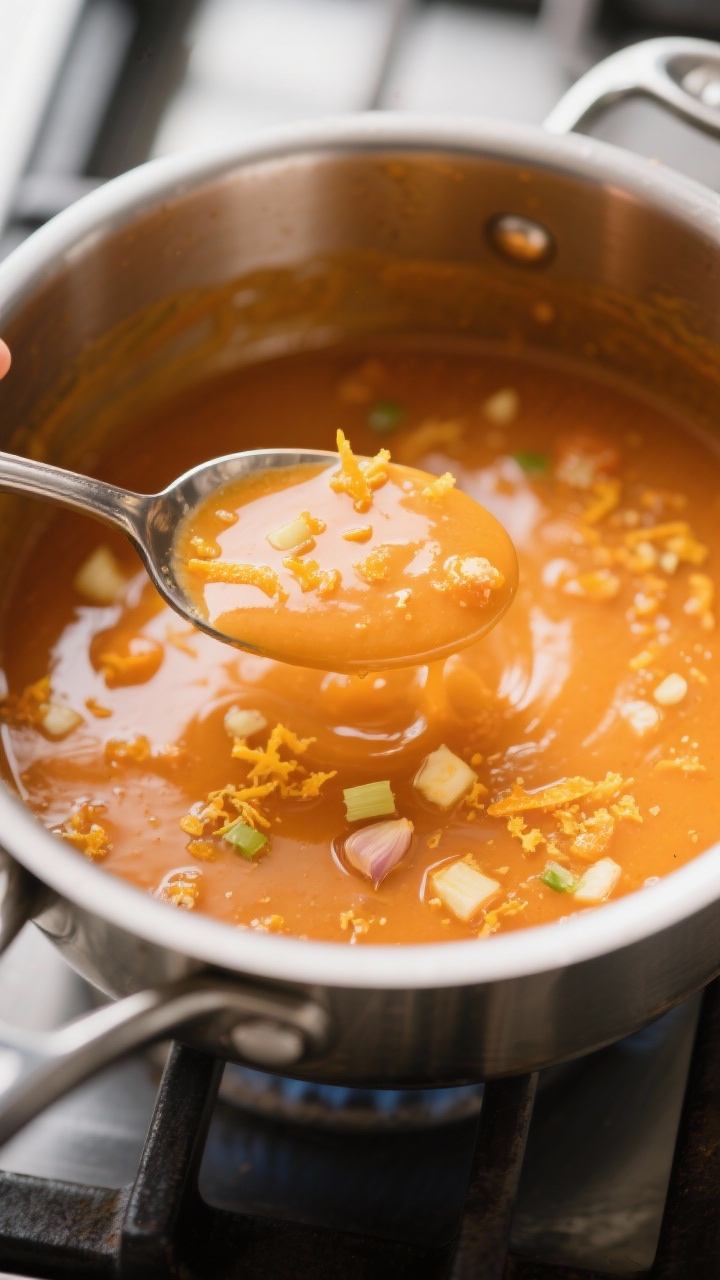
- Make the sauce base: In a medium saucepan, combine orange juice, zest, soy sauce, sugar, rice vinegar, ketchup, sesame oil, garlic, ginger, and red pepper flakes. Stir and bring to a gentle simmer over medium heat.
- Thicken the sauce: Stir the cornstarch slurry, then pour it into the simmering sauce while whisking. Cook 1–2 minutes until glossy and thick enough to coat a spoon.
Adjust sweetness or acidity to taste.
- Combine: Place the fried chicken in a large skillet or wok. Pour the sauce over and toss quickly over low heat until evenly coated. Don’t simmer too long or you’ll soften the crust.
- Garnish and serve: Sprinkle with scallions and sesame seeds.
Serve over steamed rice with a side of broccoli or snap peas.
Storage Instructions
Refrigerator: Store leftover chicken and sauce together in an airtight container for up to 3 days. The coating will soften but still tastes great.
Reheat: For best texture, reheat in a 375°F (190°C) oven or air fryer for 6–8 minutes, then toss with a little warm sauce if needed. The microwave works in a pinch but won’t crisp the coating.
Freezer: Freeze the cooked, unsauced chicken pieces on a tray, then transfer to a bag for up to 2 months.
Freeze the sauce separately. Reheat chicken in the oven and warm the sauce on the stove before tossing.
Health Benefits
- Lean protein: Chicken provides essential amino acids to support muscle and recovery.
- Citrus perks: Oranges add vitamin C and natural antioxidants that support immune health.
- Balanced plate: Pairing with vegetables and rice turns this into a well-rounded meal with fiber, carbs, and protein.
- Smarter sauce: Using fresh juice and controlling sugar keeps the flavor bright without going overly sweet.
Pitfalls to Watch Out For
- Soggy chicken: Overcrowding the pan or adding sauce too early can ruin the crunch. Fry in batches and sauce at the end.
- Thin sauce: If the sauce doesn’t thicken, your slurry may have settled.
Stir before adding and simmer a bit longer.
- Bland flavor: Don’t skip zest, garlic, or ginger. They bring the signature orange chicken pop.
- Burnt coating: Oil that’s too hot will brown the outside before the inside cooks. Aim for around 350°F and adjust the heat as you go.
Recipe Variations
- Lighter orange chicken: Skip frying and bake at 425°F (220°C) for 18–22 minutes, flipping once.
Broil briefly to brown, then toss with sauce.
- Air-fryer version: Mist coated chicken with oil and air-fry at 390°F (200°C) for 10–14 minutes, shaking halfway, until crisp and cooked through.
- Gluten-free: Use a gluten-free all-purpose blend or all cornstarch for the coating, and tamari instead of soy sauce.
- Spicy orange chicken: Add more red pepper flakes or a teaspoon of chili paste to the sauce.
- Extra citrusy: Add a splash of orange liqueur or a bit more zest for a stronger orange aroma.
- Veg-friendly: Swap chicken for crispy tofu or cauliflower florets prepared with the same coating and cooking method.
FAQ
Can I use store-bought orange juice?
Yes, but choose a pulp-free, 100% juice option without added sugar. Fresh juice and zest deliver better flavor, so add extra zest if using bottled juice.
What’s the best cut of chicken?
Thighs stay juicier and are more forgiving during frying. Breasts also work well if you avoid overcooking and keep pieces uniform.
How do I keep the coating from falling off?
Pat the chicken dry, coat thoroughly, and let it rest on a rack for 5–10 minutes before frying.
Avoid moving pieces too much in the first minute of cooking.
Can I make the sauce ahead of time?
Absolutely. Make and refrigerate for up to 4 days. Reheat gently on the stove, adding a splash of water if it’s too thick.
Why add ketchup to the sauce?
It boosts color, adds a gentle tang, and helps the sauce cling.
If you prefer, swap in a tablespoon of tomato paste plus a teaspoon of honey.
What oil is best for frying?
Use a neutral, high-heat oil like canola, vegetable, or peanut. Avoid olive oil for frying since it can smoke and affect flavor.
How do I know the chicken is done?
Pieces should be golden and reach an internal temperature of 165°F (74°C). If you don’t have a thermometer, cut one open to check for opaque, juicy meat.
Wrapping Up
With a crisp coating and a bright, balanced sauce, this Orange Chicken Recipe brings takeout flavor home—minus the soggy leftovers.
It’s simple enough for a weeknight and special enough for guests. Keep a few oranges, some soy sauce, and cornstarch on hand, and you’ve got the building blocks for a winning dinner any time. Serve with rice and greens, and enjoy every tangy, crunchy bite.
Printable Recipe Card
Want just the essential recipe details without scrolling through the article? Get our printable recipe card with just the ingredients and instructions.