Vanilla Bread Pudding – Cozy, Comforting, and Simple

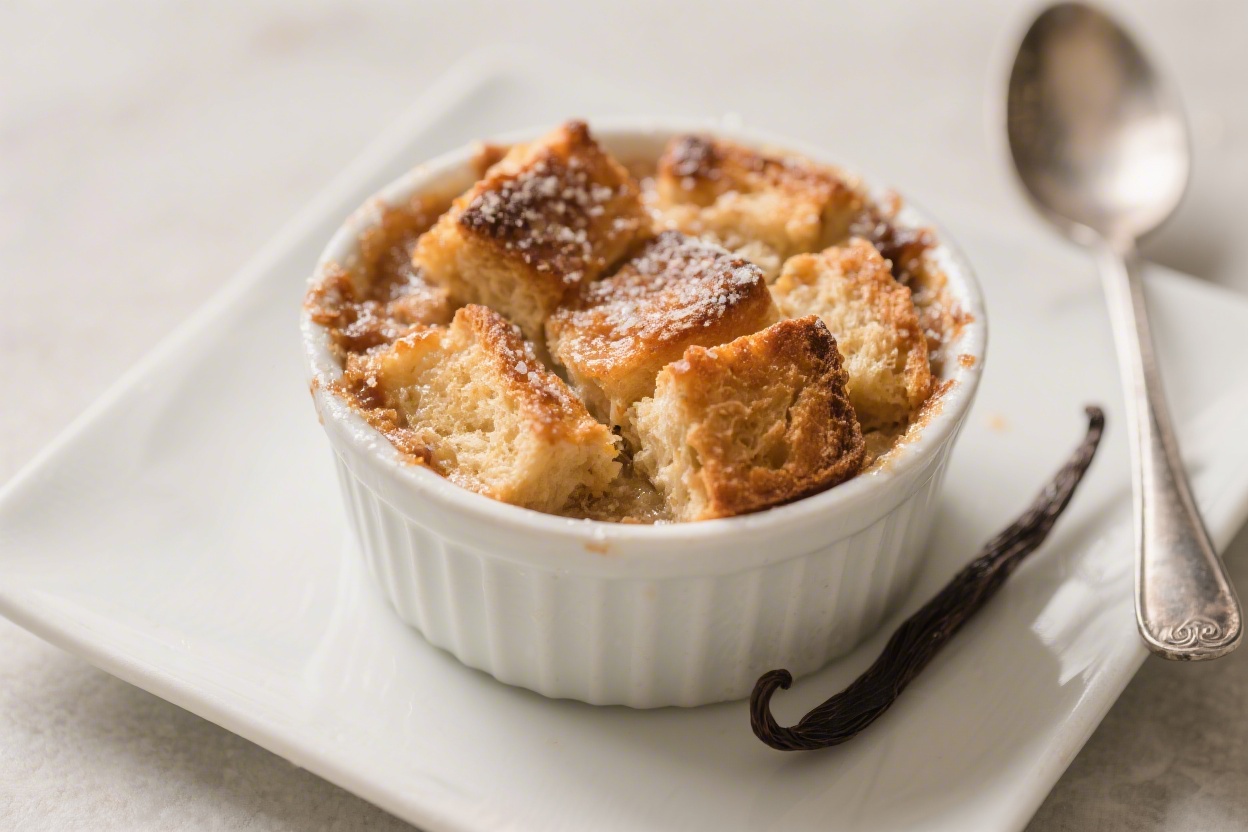
A warm dish of vanilla bread pudding feels like a hug from the oven. It’s soft in the middle, lightly crisp on top, and scented with vanilla in a way that makes your kitchen smell amazing. This is the kind of dessert that feels familiar, even if you’ve never made it before.
It’s also forgiving, affordable, and uses ingredients you probably already have. If you need something easy and reliable for a family dinner or a quiet night in, this is it.
What Makes This Special
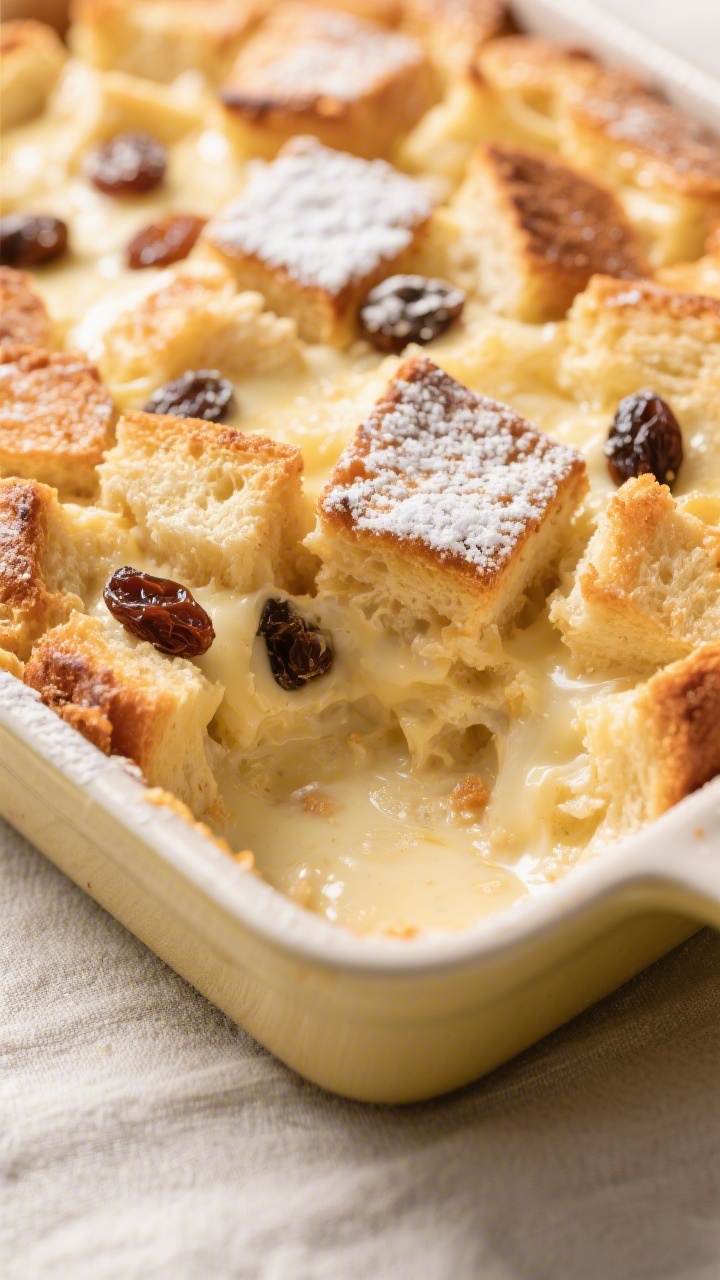
This bread pudding leans into pure, clean vanilla flavor. No fuss, no heavy spices—just a silky custard, golden edges, and a gentle sweetness.
It’s built to let the vanilla shine and the bread do the heavy lifting with texture. – Great use for stale bread: Slightly dry bread soaks up custard better, giving the pudding structure and creaminess. – Simple pantry ingredients: Milk, eggs, sugar, butter, and vanilla are all you need. – Adaptable: Add raisins, chocolate chips, or fruit if you want, but it’s lovely as is. – Make-ahead friendly: Assemble ahead and bake when you’re ready.
Shopping List
- Bread: 8 cups of day-old bread cubes (brioche, challah, French bread, or white sandwich bread)
- Milk: 2 cups whole milk
- Cream: 1 cup heavy cream (or use more milk for a lighter version)
- Eggs: 4 large
- Sugar: 2/3 cup granulated sugar
- Vanilla: 2–3 teaspoons pure vanilla extract (or 1 vanilla bean, scraped)
- Butter: 3 tablespoons unsalted butter (plus more for greasing)
- Salt: A pinch (about 1/4 teaspoon)
- Optional add-ins: 1/2 cup raisins, dried cherries, or chocolate chips
- Optional topping: Powdered sugar for dusting, or a quick vanilla sauce
How to Make It
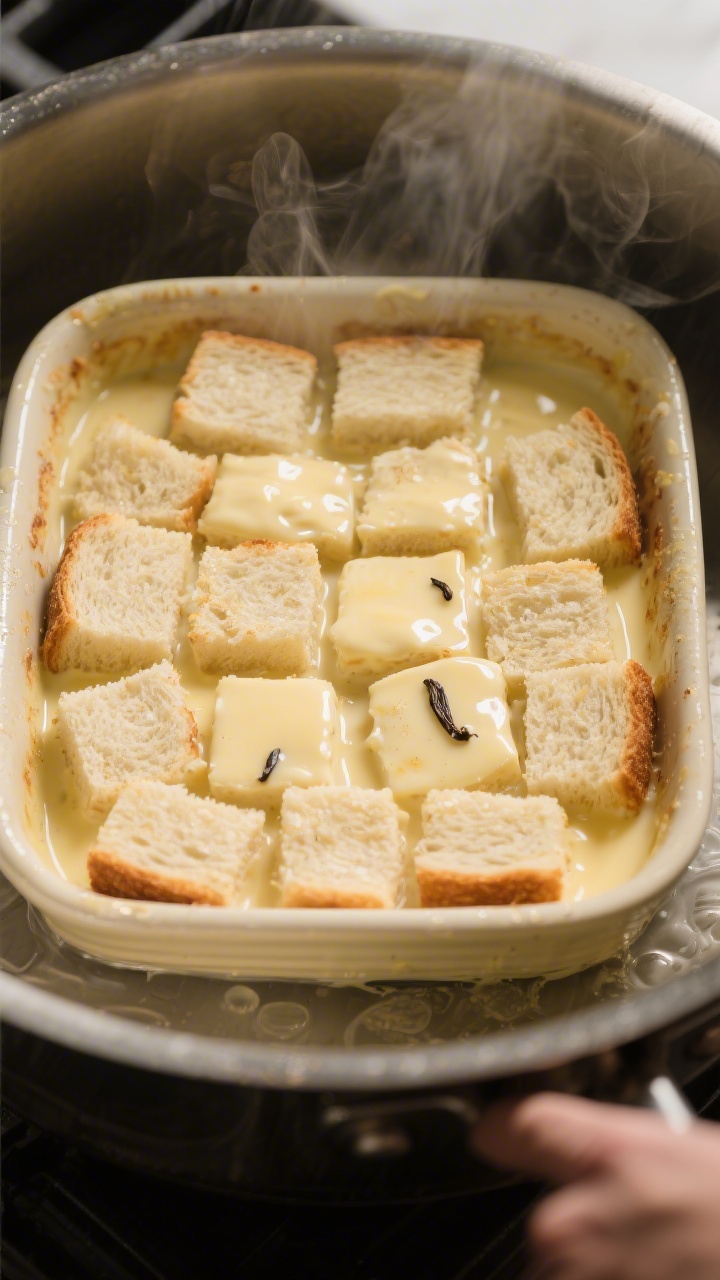
- Prep your pan and bread: Heat the oven to 350°F (175°C). Butter a 9×13-inch baking dish or a similar 3-quart casserole. Cut bread into 1-inch cubes.
If it’s soft, spread the cubes on a sheet pan and bake for 8–10 minutes to dry them slightly.
- Warm the dairy: In a medium saucepan, warm the milk, cream, butter, and salt over low heat until the butter melts and the mixture is warm to the touch. Do not boil. Remove from heat and stir in the vanilla.
- Make the custard: In a large bowl, whisk the eggs and sugar until smooth and slightly pale.
Slowly pour in the warm milk mixture while whisking. This helps prevent scrambled eggs and keeps the custard silky.
- Combine with bread: Add the bread cubes to the custard. If using raisins or chocolate chips, gently fold them in now.
Press the bread down so every piece gets soaked. Let it sit for 10–15 minutes to absorb the custard.
- Transfer to the dish: Pour the mixture into the buttered baking dish, spreading it evenly. Press down lightly again to level the surface and ensure an even bake.
- Optional water bath: For an extra-custardy texture, place the baking dish into a larger pan and pour hot water into the outer pan until it reaches halfway up the sides.
This step is optional but gives a very tender set.
- Bake: Bake for 40–50 minutes, or until the top is golden and the center is just set. A knife inserted near the center should come out mostly clean with a few moist crumbs.
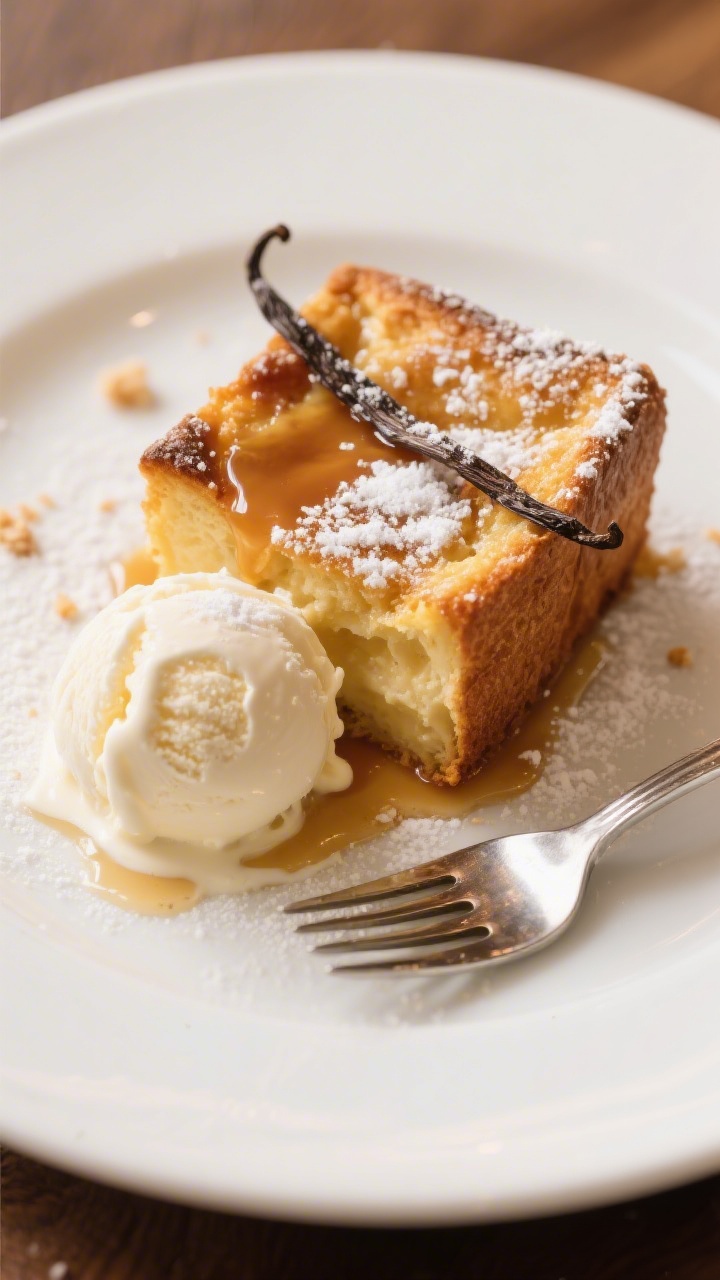
- Rest and serve: Let it cool for 10–15 minutes so it firms up slightly. Dust with powdered sugar if you like.
Serve warm, with cream, a scoop of vanilla ice cream, or a quick vanilla sauce.
How to Store
– Refrigerator: Cool completely, cover tightly, and store for up to 4 days. – Freezer: Wrap portions in plastic and then foil; freeze for up to 2 months. Thaw overnight in the fridge. – Reheat: Warm individual slices in the microwave for 30–60 seconds, or reheat in a 300°F (150°C) oven for 10–15 minutes until heated through. For crisp edges, uncover during the last few minutes.
Health Benefits
Bread pudding is a comfort dessert, but there are a few bright spots: – Protein from eggs and dairy: Eggs contribute high-quality protein, and milk adds calcium and vitamin D. – Energy-dense for active days: The combination of carbs and fats can be satisfying after a long day or when you need a hearty dessert. – Room to lighten: You can use reduced-fat milk, reduce sugar slightly, or add fruit for fiber and natural sweetness.
That said, this is still a treat. If you’re watching sugar or saturated fat, try the lighter swaps below and keep portions moderate.
Common Mistakes to Avoid
– Using very fresh, soft bread: It won’t absorb custard well, which leads to a soggy texture. Dry it out first if needed. – Overbaking: This makes the pudding tough and dry.
Pull it when the center is just set and still a little wobbly. – Skipping the rest time: Letting the bread soak ensures even moisture and prevents dry pockets. – Boiling the milk mixture: Hot milk can scramble the eggs when combined. Keep it warm, not scalding. – Not seasoning with salt: A small pinch sharpens the vanilla and sweetness. Don’t skip it.
Alternatives
– Lighter version: Use 3 cups of 2% milk instead of milk plus cream.
Reduce sugar to 1/2 cup. – Dairy-free: Use full-fat canned coconut milk or a barista-style almond or oat milk. Swap butter for coconut oil or a plant-based butter. – Gluten-free: Choose a sturdy gluten-free loaf and dry it well before soaking. – Flavor twists: Add lemon zest and blueberries for brightness, or stir in cinnamon and nutmeg for a classic spice note. – Texture boost: Sprinkle turbinado sugar on top before baking for extra crunch. – Sauce ideas: Vanilla bean sauce, bourbon caramel, warm berry compote, or simple heavy cream poured over the top.
FAQ
What’s the best bread to use?
Brioche and challah are favorites because they’re rich and sturdy. French bread and country loaves also work well.
Avoid very soft sandwich bread unless you dry it thoroughly.
Can I make this ahead?
Yes. Assemble the pudding, cover, and refrigerate for up to 12 hours. Bake straight from the fridge, adding 5–10 extra minutes to the bake time.
For the best texture, don’t let it sit longer than a day.
How do I know when it’s done?
The edges should be golden and the center just set but slightly jiggly. A knife inserted near the center should come out mostly clean. If the top browns too quickly, tent with foil.
Can I reduce the sugar?
You can cut the sugar to 1/2 cup without losing structure.
For a less sweet dessert, serve with unsweetened whipped cream or fresh fruit to balance flavors.
What if I don’t have heavy cream?
Use all milk. Whole milk is best, but 2% will work. The pudding will be a little lighter and less rich, but still delicious.
Can I add fruit or chocolate?
Absolutely.
Fold in up to 1/2–3/4 cup of add-ins like raisins, dried cherries, chopped apples, or chocolate chips. Keep the total under 1 cup so the custard still binds everything.
Why is my bread pudding watery?
It likely needed more time to set, or the bread was too fresh and didn’t absorb enough custard. Bake until the center is just set, and next time use drier bread or let it soak longer.
Do I need a water bath?
No, but it helps if you want a very custardy, delicate texture.
If you prefer crisper edges and a slightly firmer center, skip it.
Wrapping Up
Vanilla bread pudding proves that simple ingredients can taste luxurious. With the right bread, a cozy vanilla custard, and careful baking, you get a dessert that feels both homey and special. Keep this base recipe in your back pocket, then make it your own with add-ins or sauces.
Whether you serve it plain or dressed up, warm and golden from the oven, it’s comfort you can count on.
Ingredients
Method
- Prep your pan and bread: Heat the oven to 350°F (175°C). Butter a 9x13-inch baking dish or a similar 3-quart casserole. Cut bread into 1-inch cubes. If it’s soft, spread the cubes on a sheet pan and bake for 8–10 minutes to dry them slightly.
- Warm the dairy: In a medium saucepan, warm the milk, cream, butter, and salt over low heat until the butter melts and the mixture is warm to the touch. Do not boil. Remove from heat and stir in the vanilla.
- Make the custard: In a large bowl, whisk the eggs and sugar until smooth and slightly pale. Slowly pour in the warm milk mixture while whisking. This helps prevent scrambled eggs and keeps the custard silky.
- Combine with bread: Add the bread cubes to the custard. If using raisins or chocolate chips, gently fold them in now. Press the bread down so every piece gets soaked. Let it sit for 10–15 minutes to absorb the custard.
- Transfer to the dish: Pour the mixture into the buttered baking dish, spreading it evenly. Press down lightly again to level the surface and ensure an even bake.
- Optional water bath: For an extra-custardy texture, place the baking dish into a larger pan and pour hot water into the outer pan until it reaches halfway up the sides. This step is optional but gives a very tender set.
- Bake: Bake for 40–50 minutes, or until the top is golden and the center is just set. A knife inserted near the center should come out mostly clean with a few moist crumbs.
- Rest and serve: Let it cool for 10–15 minutes so it firms up slightly. Dust with powdered sugar if you like. Serve warm, with cream, a scoop of vanilla ice cream, or a quick vanilla sauce.
Printable Recipe Card
Want just the essential recipe details without scrolling through the article? Get our printable recipe card with just the ingredients and instructions.
Sumayya is a home cook and recipe creator who shares simple, flavorful recipes made for everyday cooking. She believes good food should be easy, comforting, and enjoyed by everyone.