Biscoff Cookie Butter Recipe – Smooth, Spiced, and Spreadable

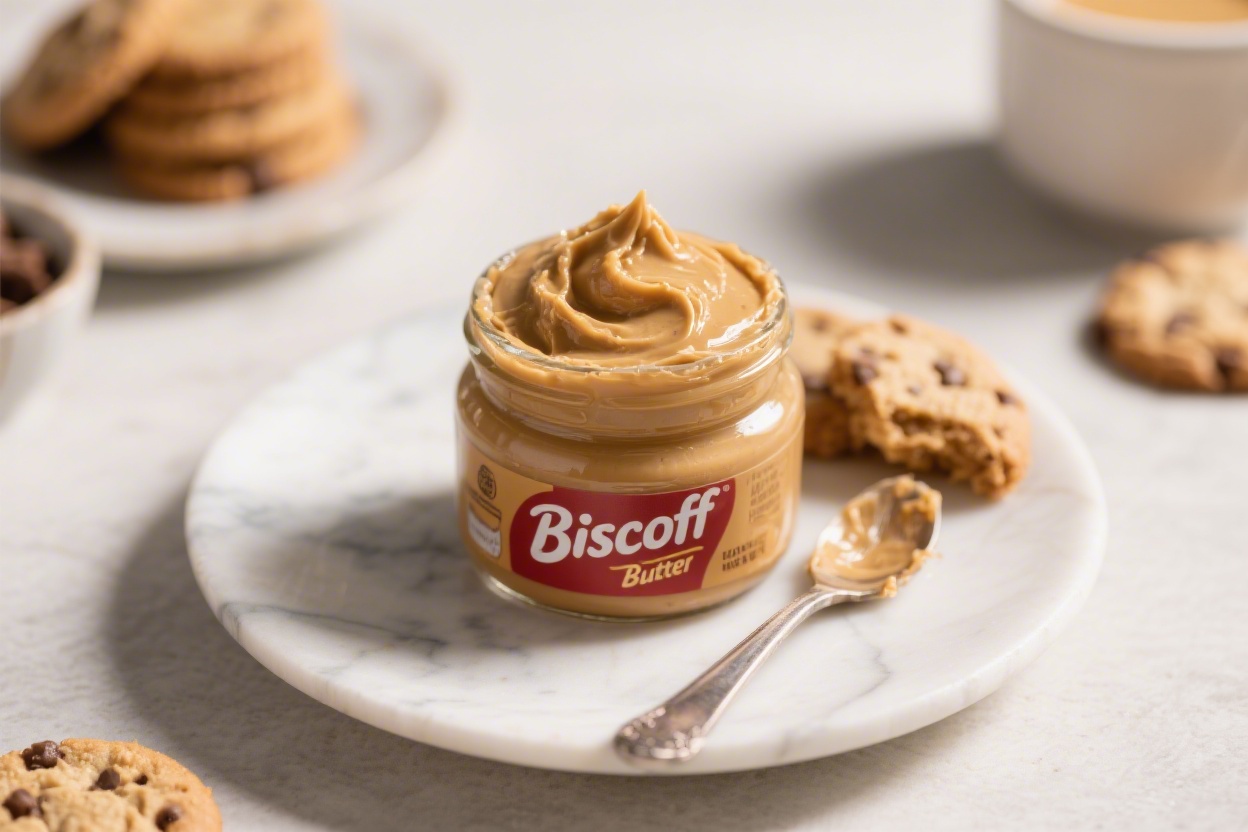
If you’ve ever had a spoonful of cookie butter and thought, “I wish I could make this at home,” you’re in the right place. This biscoff cookie butter recipe is creamy, spiced, and wildly satisfying. It takes simple pantry ingredients and turns them into a spread you’ll want on toast, waffles, and everything in between.
You don’t need special equipment beyond a blender or food processor, and it comes together fast. Expect a silky texture, warm caramel notes, and a touch of cinnamon that makes every bite feel cozy.
What Makes This Special
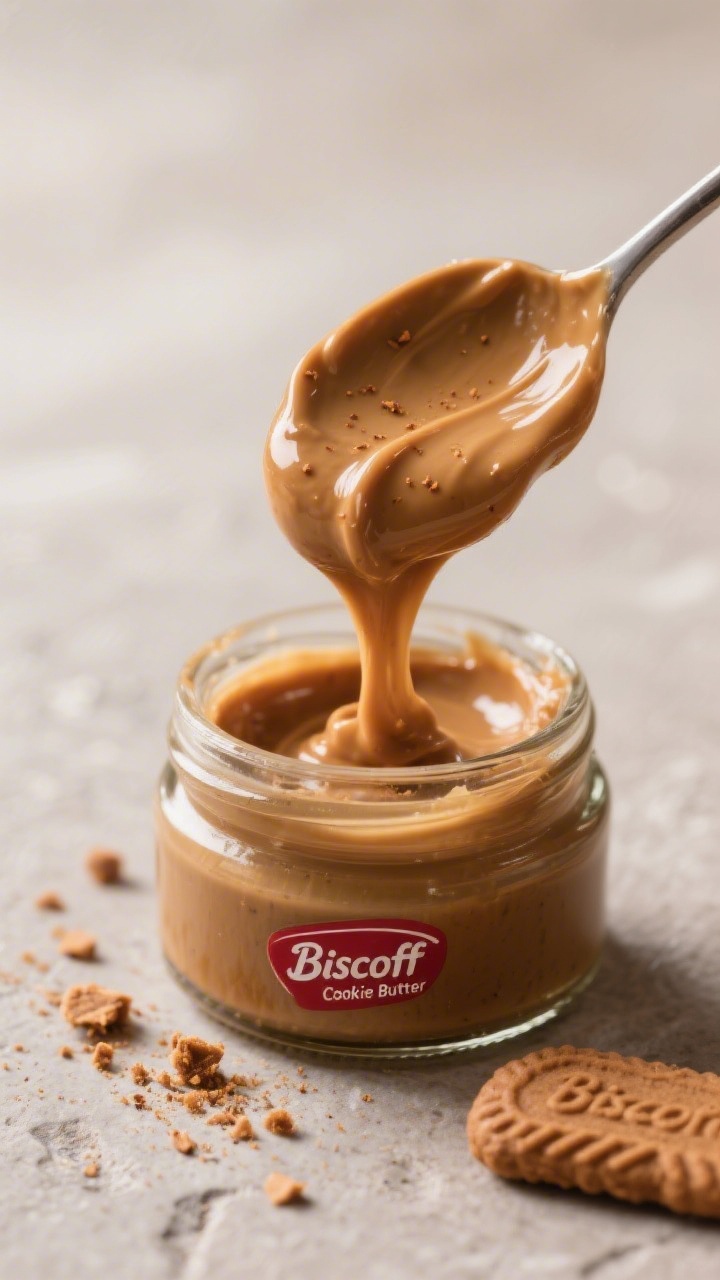
This homemade version tastes fresher and lets you control the sweetness and texture. You can keep it thick and scoopable or thin it to a drizzle for pancakes.
It’s also budget-friendly and a great way to use up extra cookies. Most of all, you get to tweak flavors—more cinnamon, extra vanilla, or a hint of salt—to make it your own.
Shopping List
- Biscoff cookies (Lotus or other speculoos-style cookies) – about 8 ounces (roughly 30–32 cookies)
- Light brown sugar – 2 tablespoons (optional for sweetness)
- Unsalted butter – 3 tablespoons, melted and slightly cooled
- Neutral oil (canola, grapeseed, or light olive) – 3 to 5 tablespoons
- Evaporated milk or whole milk – 3 to 5 tablespoons (see notes below)
- Vanilla extract – 1 teaspoon
- Ground cinnamon – 1/2 teaspoon (optional but recommended)
- Fine sea salt – 1/4 teaspoon (adjust to taste)
- Lemon juice – 1/2 teaspoon (optional, for brightness)
Notes: Evaporated milk adds creaminess without watering the spread down. You can also use heavy cream, half-and-half, or a dairy-free milk.
Adjust liquids to reach your ideal texture.
How to Make It
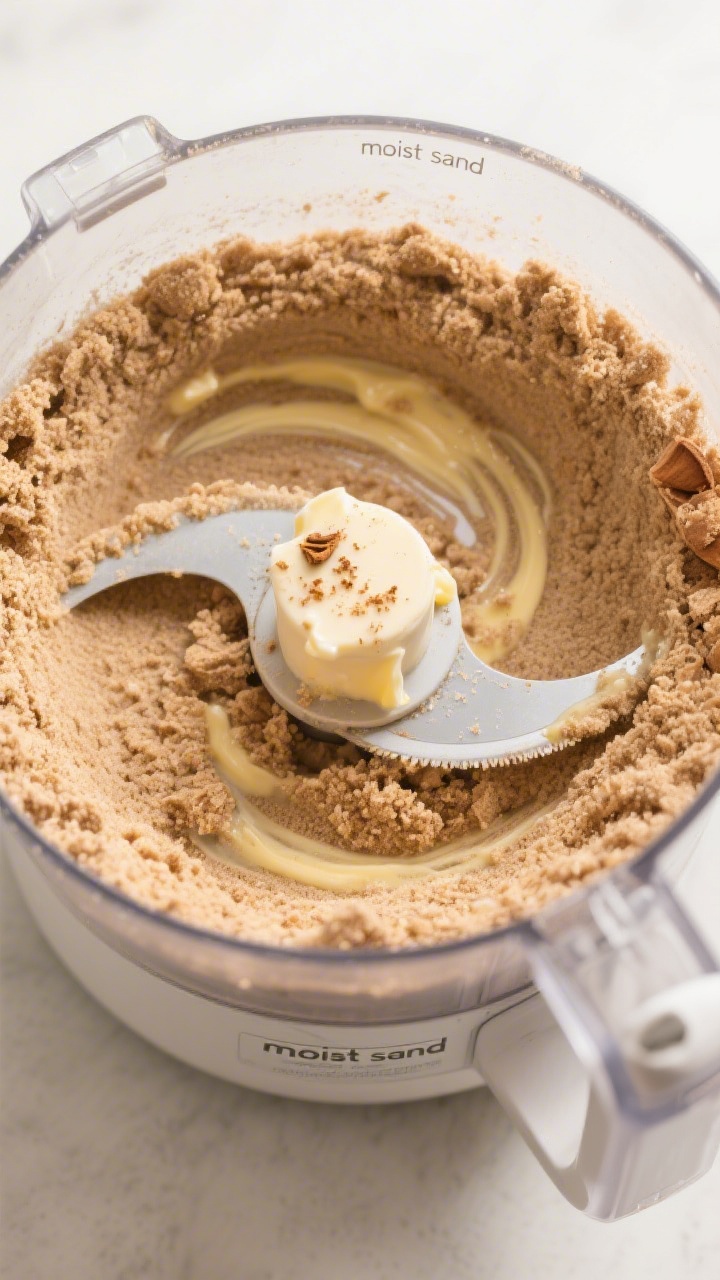
- Crush the cookies. Add the Biscoff cookies to a food processor or high-speed blender. Pulse until you get fine, sandy crumbs with no big chunks.
- Add dry flavors. Sprinkle in the brown sugar, salt, and cinnamon. Pulse a few times to combine.
Taste the crumbs—they should already taste warmly spiced and slightly sweet.
- Stream in melted butter. With the machine running, pour in the melted butter. The crumbs will start to clump together slightly, forming a moist sand texture.
- Add vanilla and a splash of lemon. Add the vanilla extract and lemon juice. The lemon won’t make it tart; it just brightens the overall flavor.
- Blend in oil and milk gradually. Alternate adding oil and evaporated milk, a tablespoon at a time, blending between additions.
Scrape down the sides as needed. Keep going until the mixture turns silky and spreadable.
- Adjust texture. For a thick, scoopable spread, stop when it looks like creamy peanut butter. For a looser, drizzle-ready sauce, add an extra tablespoon or two of milk or oil until it flows off a spoon.
- Fine-tune the flavor. Taste and adjust salt for balance, cinnamon for warmth, or brown sugar for sweetness.
Blend again for 10–15 seconds to combine.
- Let it settle. Transfer to a clean jar. It will thicken slightly as it rests. Give it 30 minutes at room temperature before using for best texture.
How to Store
- Refrigerator: Store in an airtight jar for 2 to 3 weeks.
It will firm up in the fridge; let it sit at room temperature for 10–15 minutes before spreading.
- Room temperature: If your kitchen is cool, it can sit out for up to 2 days. After that, refrigerate for freshness.
- Freezer: Freeze for up to 2 months. Thaw in the fridge overnight and stir well before using.
Tip: If it separates slightly after chilling, just stir or blend quickly to bring it back together.
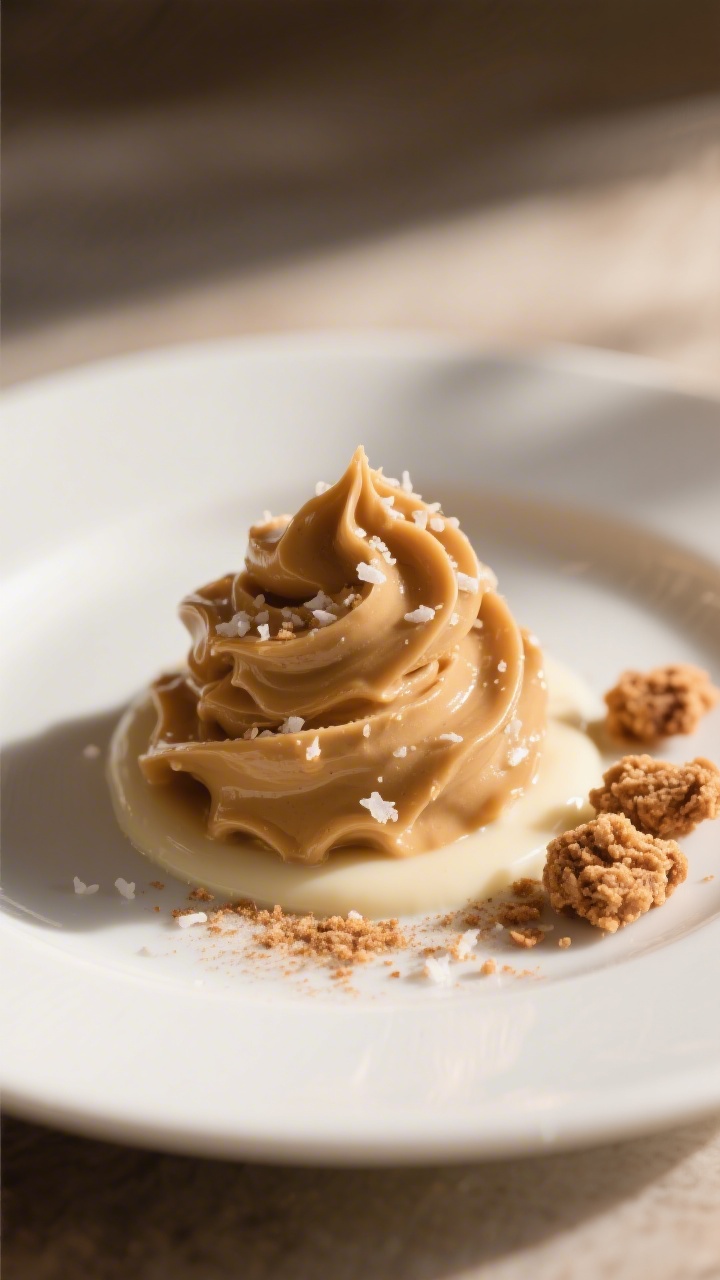
Benefits of This Recipe
- Customizable sweetness and spice. You control the sugar and cinnamon levels, so it’s never too sweet or bland.
- Better texture. Choose extra creamy, thick and fudgy, or drizzle-thin depending on how you’ll use it.
- Budget-friendly. A batch costs less than store-bought jars, especially if you buy cookies on sale.
- Fewer additives. Short, simple ingredient list you recognize.
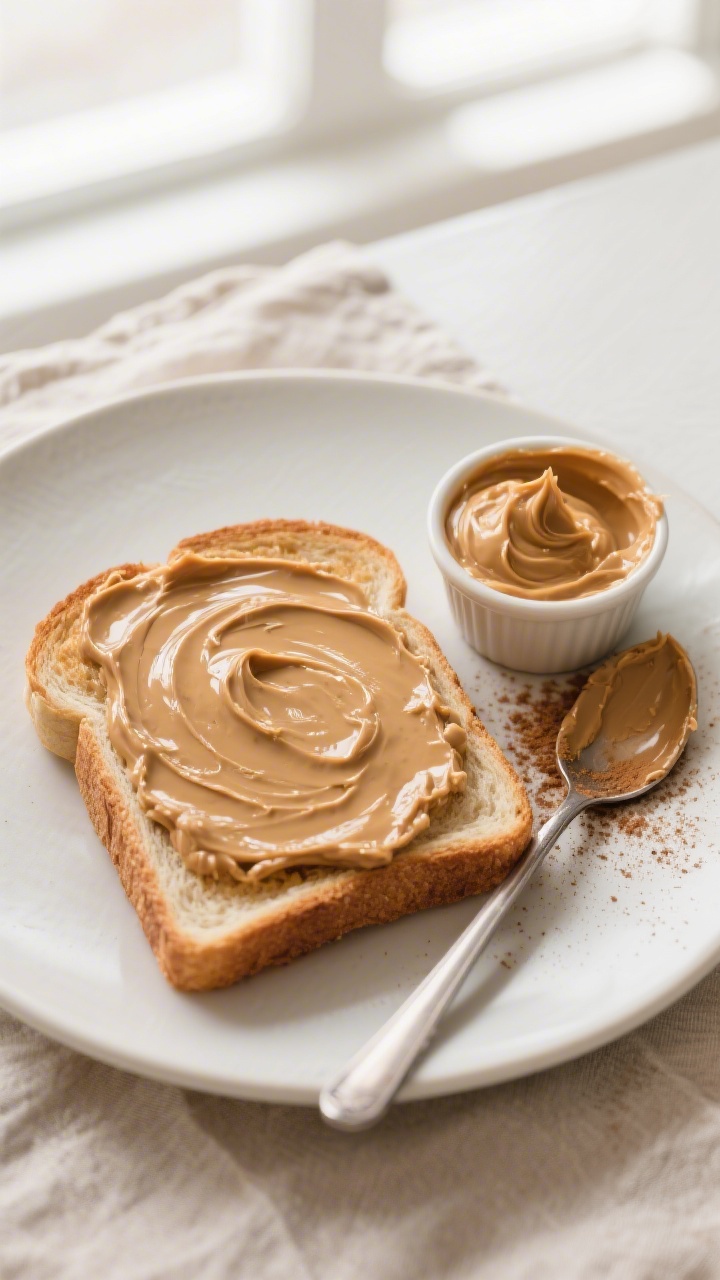
- Versatile. Spread on toast, swirl into oatmeal, spoon over ice cream, or use as a cake filling.
What Not to Do
- Don’t add all the liquid at once. It can turn runny fast.
Add slowly until the texture looks right.
- Don’t skip the salt. A little salt sharpens the flavors and keeps it from tasting flat.
- Don’t overheat the butter. Very hot butter can make the spread greasy. Melt gently and let it cool a minute or two.
- Don’t use strongly flavored oils. Extra virgin olive oil or coconut oil can overpower the cookie flavor. Stick to neutral oils.
- Don’t overblend once it’s smooth. That can warm the mixture and thin it too much.
Variations You Can Try
- Almond Twist: Add 1–2 tablespoons of almond butter for nutty depth.
A few drops of almond extract make it more pronounced.
- Maple Caramel: Swap brown sugar for 1 tablespoon maple syrup and add a pinch of cardamom.
- Chocolate Swirl: Melt 2 ounces of dark chocolate and ripple it through the finished spread. Finish with flaky sea salt.
- Dairy-Free: Use coconut cream or oat milk and skip the butter in favor of all neutral oil. Add a touch more salt to balance.
- Extra Crunch: Stir in crushed Biscoff pieces at the end for a crunchy spread.
- Pumpkin Spice: Replace cinnamon with pumpkin pie spice and add a dash of vanilla bean paste.
- Espresso Kick: Blend in 1 teaspoon instant espresso powder for a coffee-shop vibe.
FAQ
Can I make this without a food processor?
Yes.
Place cookies in a zip-top bag and crush to fine crumbs with a rolling pin, then mix with the remaining ingredients using a hand mixer or sturdy whisk. The texture may be slightly less smooth but still delicious.
What if my cookie butter turns out too thin?
Add more crushed cookies if you have them, or stir in a spoonful of powdered sugar to thicken slightly. Chilling for 20–30 minutes in the fridge also helps it firm up.
What if it’s too thick?
Blend in a bit more evaporated milk or oil, a teaspoon at a time, until it loosens.
Warm the jar briefly in a bowl of warm water to soften before stirring.
Can I use other cookies?
Speculoos-style cookies work best due to their spice and caramel notes. Graham crackers or gingersnaps can work in a pinch, but you’ll need to increase cinnamon, brown sugar, and salt to balance the flavor.
Is the lemon juice necessary?
No, but it adds a subtle brightness that keeps the spread from tasting one-note. If you skip it, consider a tiny extra pinch of salt to lift the flavors.
How do I keep it from separating?
Blend thoroughly after each liquid addition and avoid overheating.
If separation happens after chilling, a quick stir or brief blend brings it back together.
Is this safe for kids with nut allergies?
Yes, the base recipe is nut-free, but always check labels on cookies and extracts to be sure. If making variations with nut butters, label clearly.
Can I can or shelf-stabilize it?
No. Because it contains dairy and fat, it isn’t safe for home canning.
Store in the fridge and use within a couple of weeks.
In Conclusion
This biscoff cookie butter recipe delivers everything you love about the store-bought version with the bonus of control, freshness, and fun twists. It’s quick to make, easy to customize, and endlessly useful in your kitchen. Keep a jar in the fridge for busy mornings, late-night snacks, and last-minute desserts.
Once you’ve made it at home, you’ll wonder why you ever bought a jar in the first place.
Ingredients
Method
- Crush the cookies. Add the Biscoff cookies to a food processor or high-speed blender. Pulse until you get fine, sandy crumbs with no big chunks.
- Add dry flavors. Sprinkle in the brown sugar, salt, and cinnamon. Pulse a few times to combine. Taste the crumbs—they should already taste warmly spiced and slightly sweet.
- Stream in melted butter. With the machine running, pour in the melted butter. The crumbs will start to clump together slightly, forming a moist sand texture.
- Add vanilla and a splash of lemon. Add the vanilla extract and lemon juice. The lemon won’t make it tart; it just brightens the overall flavor.
- Blend in oil and milk gradually. Alternate adding oil and evaporated milk, a tablespoon at a time, blending between additions. Scrape down the sides as needed. Keep going until the mixture turns silky and spreadable.
- Adjust texture. For a thick, scoopable spread, stop when it looks like creamy peanut butter. For a looser, drizzle-ready sauce, add an extra tablespoon or two of milk or oil until it flows off a spoon.
- Fine-tune the flavor. Taste and adjust salt for balance, cinnamon for warmth, or brown sugar for sweetness. Blend again for 10–15 seconds to combine.
- Let it settle. Transfer to a clean jar. It will thicken slightly as it rests. Give it 30 minutes at room temperature before using for best texture.
Printable Recipe Card
Want just the essential recipe details without scrolling through the article? Get our printable recipe card with just the ingredients and instructions.
Sumayya is a home cook and recipe creator who shares simple, flavorful recipes made for everyday cooking. She believes good food should be easy, comforting, and enjoyed by everyone.