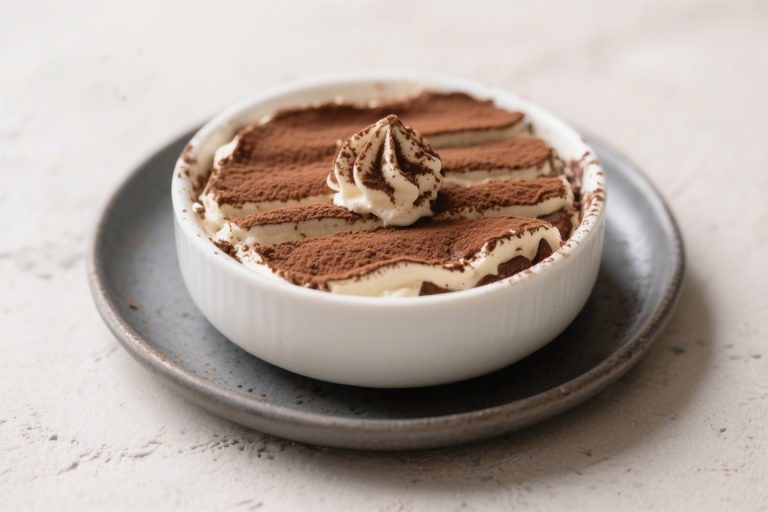
Vanilla Sponge Cake Recipe – Light, Fluffy, and Easy to Make

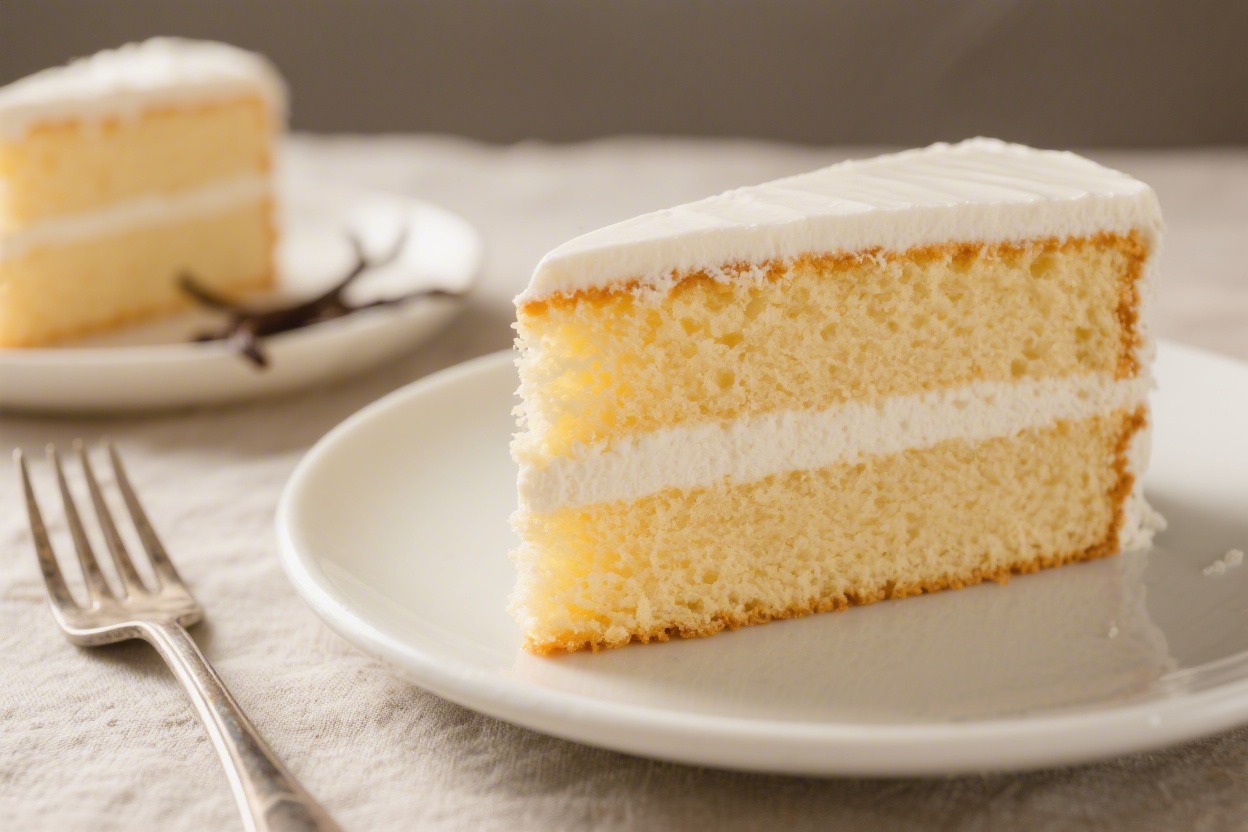
This vanilla sponge cake is the kind of recipe you’ll reach for again and again. It’s simple, reliable, and bakes up soft and airy with a golden crust. Whether you’re celebrating a birthday or just want something sweet with tea, this cake fits the moment.
The best part? You only need a handful of pantry staples and about an hour. Dress it up with cream and berries, or enjoy a plain slice warm from the oven—either way, it’s pure comfort.
Why This Recipe Works
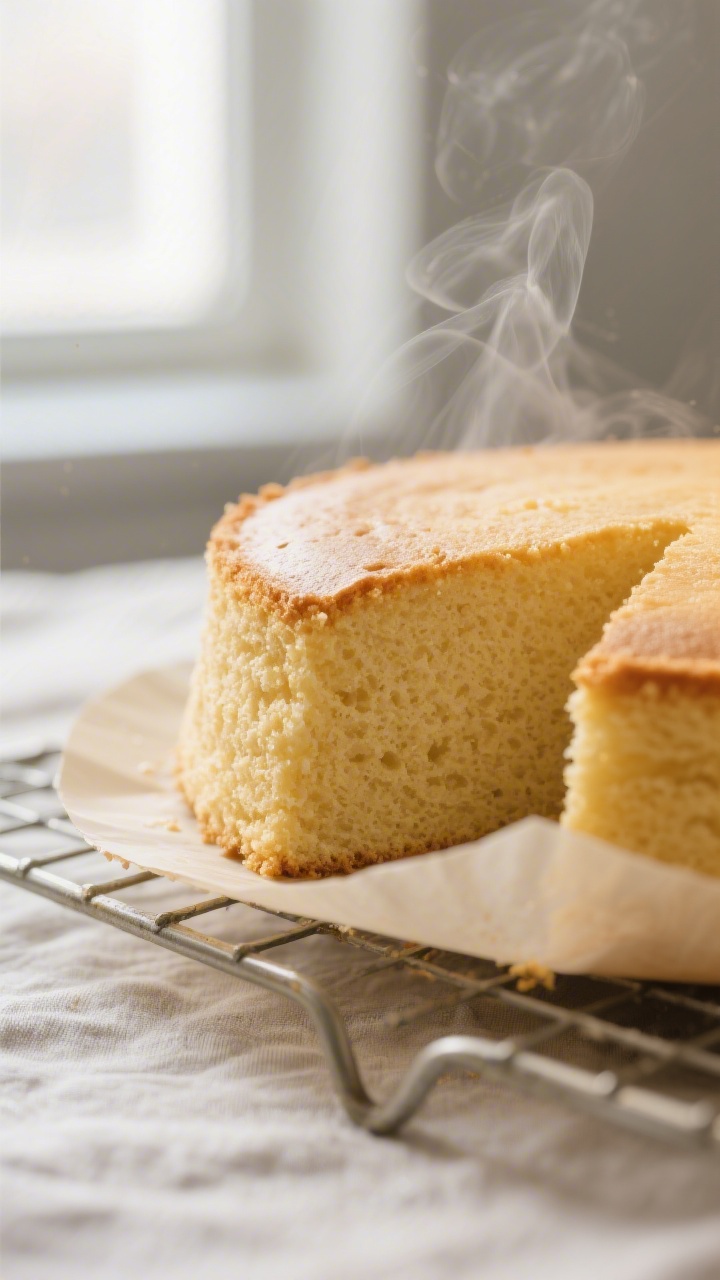
This recipe balances fat and structure for a tender crumb that still holds its shape.
The method focuses on creaming butter and sugar to trap air, which helps the cake rise high in the oven. A touch of milk keeps the batter smooth and light, while vanilla adds warmth without overpowering. With clear steps and simple ingredients, you’ll get consistent, bakery-style results at home.
What You’ll Need
- 1 cup (225 g) unsalted butter, softened to room temperature
- 1 cup (200 g) granulated sugar
- 4 large eggs, at room temperature
- 2 cups (250 g) all-purpose flour
- 2 teaspoons baking powder
- 1/2 teaspoon fine salt
- 1/2 cup (120 ml) whole milk, at room temperature
- 2 teaspoons pure vanilla extract
- Optional: 1–2 tablespoons neutral oil for extra moisture
- For the pan: Butter and flour, or nonstick baking spray
Equipment: Two 8-inch (20 cm) round cake pans or one 9×13-inch (23×33 cm) pan, mixing bowls, electric mixer (hand or stand), spatula, whisk, measuring cups/spoons, parchment paper.
Instructions
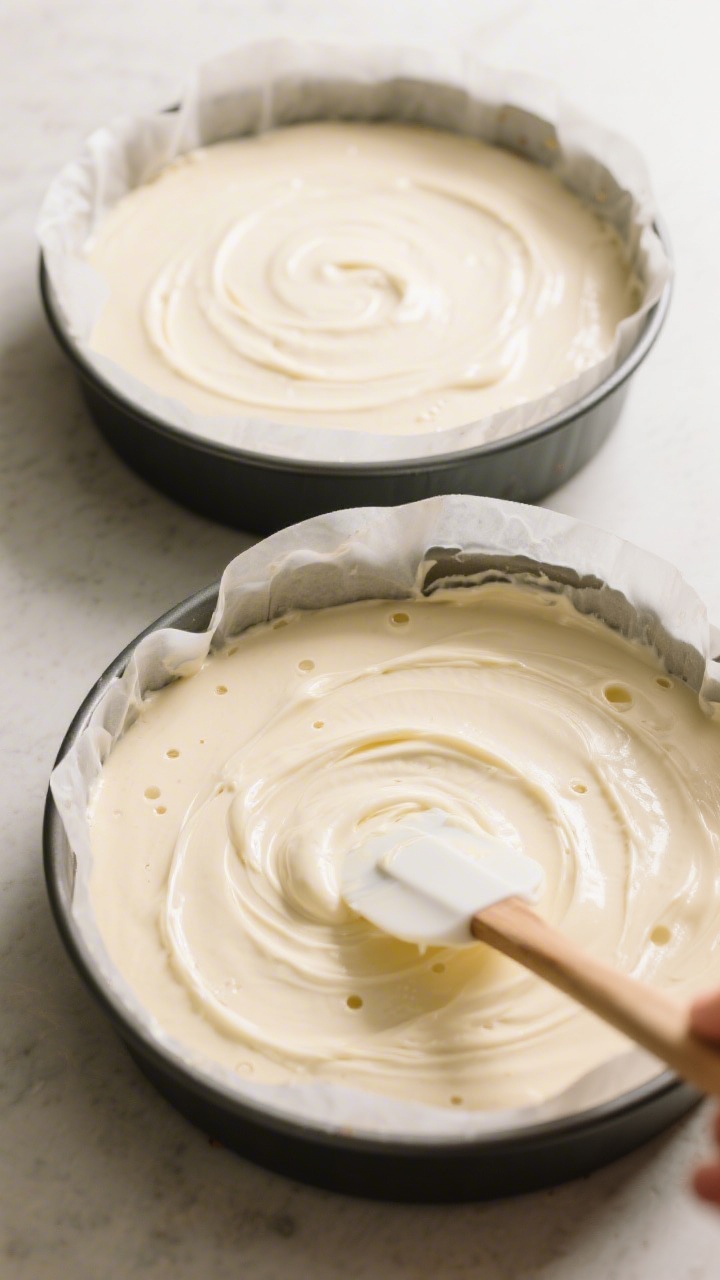
- Prep your pans and oven. Preheat the oven to 350°F (175°C).
Grease and flour your cake pans, then line the bottoms with parchment rounds. This prevents sticking and keeps the edges neat.
- Cream butter and sugar. In a large bowl, beat the softened butter and sugar on medium-high speed for 3–4 minutes, until pale and fluffy. This step builds volume and lightness into the cake.
- Add eggs one at a time. Beat in the eggs, one by one, mixing well after each addition.
Scrape down the bowl as needed. Stir in the vanilla extract until combined.
- Whisk dry ingredients. In a separate bowl, whisk together the flour, baking powder, and salt. This ensures the leavening is evenly distributed.
- Alternate dry ingredients and milk. With the mixer on low, add one-third of the flour mixture, then half the milk, another third of the flour, the remaining milk, and finish with the last of the flour.
Mix just until combined. Avoid overmixing.
- Optional moisture boost. If you like a slightly richer crumb, fold in 1–2 tablespoons of neutral oil by hand at the end. It helps keep the cake soft for longer.
- Divide and level. Divide the batter evenly between pans.
Smooth the tops with a spatula and tap the pans gently on the counter to release large air bubbles.
- Bake. Bake for 22–28 minutes for 8-inch rounds, or 28–34 minutes for a 9×13-inch pan. The cakes are done when the tops are lightly golden, a toothpick comes out clean, and the centers spring back to a light touch.
- Cool properly. Let the cakes cool in the pans for 10 minutes, then run a knife around the edges and turn them out onto a wire rack. Peel off the parchment and cool completely before frosting or slicing.
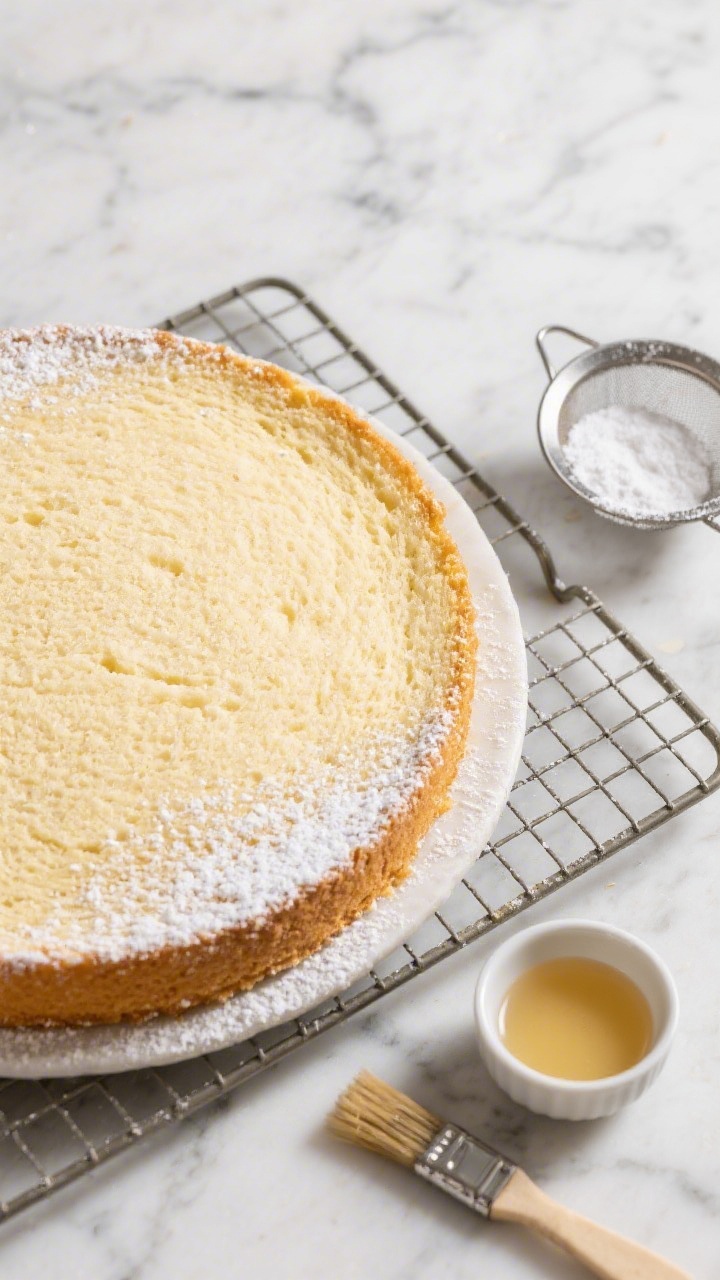
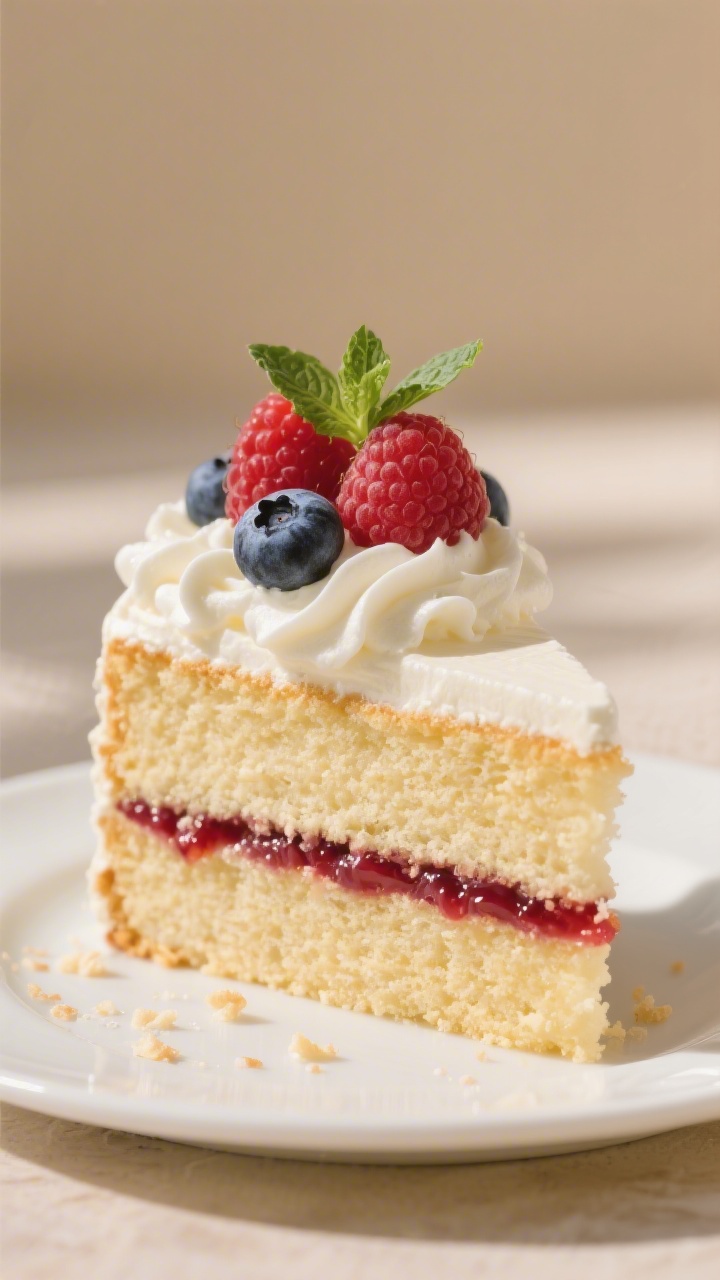
- Serve. Enjoy plain with a dusting of powdered sugar, or add whipped cream, berries, or your favorite frosting.
This sponge also pairs beautifully with a simple syrup brush for extra moisture.
How to Store
- At room temperature: Wrap the cooled cake tightly or store in an airtight container for up to 2 days.
- Refrigerator: If frosted with cream or perishable fillings, refrigerate for up to 4 days. Bring to room temperature before serving for the best texture.
- Freezer: Wrap unfrosted layers in plastic and then foil. Freeze for up to 2 months.
Thaw in the fridge overnight, then bring to room temperature.
- Make-ahead tip: Bake layers a day ahead, wrap well, and assemble the next day. The flavor actually mellows and improves.
Health Benefits
While a classic treat, this cake can fit into a balanced diet when enjoyed in moderation. It provides quick energy from carbohydrates and some protein from the eggs and milk.
Butter contributes fat-soluble vitamins and a satisfying mouthfeel. If you prefer a lighter option, you can reduce sugar slightly or serve smaller portions with fresh berries.
Common Mistakes to Avoid
- Using cold ingredients: Butter, eggs, and milk should be room temperature to create a smooth, airy batter that rises evenly.
- Overmixing the batter: Once the flour goes in, mix just until combined. Overmixing makes the cake tough.
- Incorrect oven temperature: An oven that’s too hot domes the cake and dries the edges.
Use an oven thermometer if you can.
- Opening the oven too early: Wait at least 20 minutes before checking. Early peeking can cause the center to collapse.
- Skipping parchment: Even well-greased pans can stick. Parchment rounds protect your layers and make release easy.
Variations You Can Try
- Lemon Sponge: Add 1 tablespoon lemon zest and replace 2 tablespoons of milk with fresh lemon juice.
Finish with a light lemon glaze.
- Almond Twist: Swap 1 teaspoon of vanilla for 1 teaspoon almond extract and fold in 1/3 cup sliced almonds.
- Berry Layer Cake: Spread raspberry jam between layers and top with whipped cream and fresh berries.
- Chocolate Marble: Remove 1/4 cup flour and replace with 1/4 cup cocoa powder. Swirl half the batter with cocoa and marble it through the vanilla batter.
- Dairy-Free: Use a plant-based butter and non-dairy milk (like almond or oat). Choose a neutral-flavored option for best results.
- Simple Syrup Soak: Brush cooled layers with a 1:1 sugar-water syrup flavored with vanilla or citrus.
This keeps the cake extra moist.
FAQ
Why did my sponge cake turn dense?
Dense cake usually comes from overmixing after adding the flour or using cold ingredients. Also check your baking powder—if it’s old, it won’t lift the batter properly. Creaming the butter and sugar long enough is key for lightness.
Can I use self-rising flour?
Yes.
If using self-rising flour, omit the baking powder and salt. Keep the rest of the recipe the same and watch the bake time closely.
How do I know when the cake is done?
The top should be lightly golden and spring back when touched. A toothpick inserted in the center should come out clean or with a few moist crumbs.
If it jiggles in the middle, give it a few more minutes.
Can I make this recipe gluten-free?
Use a 1:1 gluten-free baking flour blend that includes xanthan gum. Mix gently and avoid overbaking, as gluten-free cakes can dry out faster. Consider adding the optional tablespoon of oil for moisture.
What frosting goes best with vanilla sponge?
Vanilla buttercream, whipped cream, chocolate ganache, or a light cream cheese frosting all pair well.
For something lighter, dust with powdered sugar and serve with fresh fruit.
How can I prevent my cake from doming?
Make sure your oven isn’t running hot, and avoid overfilling pans. You can also use cake strips around the pans to help the layers bake evenly. Tapping the pans to release large bubbles helps too.
Can I bake this as cupcakes?
Yes.
Fill liners two-thirds full and bake at 350°F (175°C) for 16–20 minutes. Check with a toothpick for doneness, and don’t overbake.
Is it okay to reduce the sugar?
You can reduce the sugar by about 10–15% without hurting the texture too much. Keep in mind that sugar affects moisture and tenderness, so larger reductions may lead to a drier crumb.
Final Thoughts
A classic vanilla sponge cake doesn’t need bells and whistles to shine.
With a handful of pantry staples and a dependable method, you’ll get a light, fluffy crumb every time. Keep the ingredients at room temperature, don’t rush the creaming step, and avoid overmixing once the flour goes in. From weeknight dessert to special-occasion centerpiece, this recipe is a sweet, simple staple you’ll use for years.
Ingredients
Method
- Prep your pans and oven. Preheat the oven to 350°F (175°C). Grease and flour your cake pans, then line the bottoms with parchment rounds. This prevents sticking and keeps the edges neat.
- Cream butter and sugar. In a large bowl, beat the softened butter and sugar on medium-high speed for 3–4 minutes, until pale and fluffy. This step builds volume and lightness into the cake.
- Add eggs one at a time. Beat in the eggs, one by one, mixing well after each addition. Scrape down the bowl as needed. Stir in the vanilla extract until combined.
- Whisk dry ingredients. In a separate bowl, whisk together the flour, baking powder, and salt. This ensures the leavening is evenly distributed.
- Alternate dry ingredients and milk. With the mixer on low, add one-third of the flour mixture, then half the milk, another third of the flour, the remaining milk, and finish with the last of the flour. Mix just until combined. Avoid overmixing.
- Optional moisture boost. If you like a slightly richer crumb, fold in 1–2 tablespoons of neutral oil by hand at the end. It helps keep the cake soft for longer.
- Divide and level. Divide the batter evenly between pans. Smooth the tops with a spatula and tap the pans gently on the counter to release large air bubbles.
- Bake. Bake for 22–28 minutes for 8-inch rounds, or 28–34 minutes for a 9x13-inch pan. The cakes are done when the tops are lightly golden, a toothpick comes out clean, and the centers spring back to a light touch.
- Cool properly. Let the cakes cool in the pans for 10 minutes, then run a knife around the edges and turn them out onto a wire rack. Peel off the parchment and cool completely before frosting or slicing.
- Serve. Enjoy plain with a dusting of powdered sugar, or add whipped cream, berries, or your favorite frosting. This sponge also pairs beautifully with a simple syrup brush for extra moisture.
Printable Recipe Card
Want just the essential recipe details without scrolling through the article? Get our printable recipe card with just the ingredients and instructions.
Sumayya is a home cook and recipe creator who shares simple, flavorful recipes made for everyday cooking. She believes good food should be easy, comforting, and enjoyed by everyone.