Chicken Gravy Recipe – Simple, Rich, and Comforting

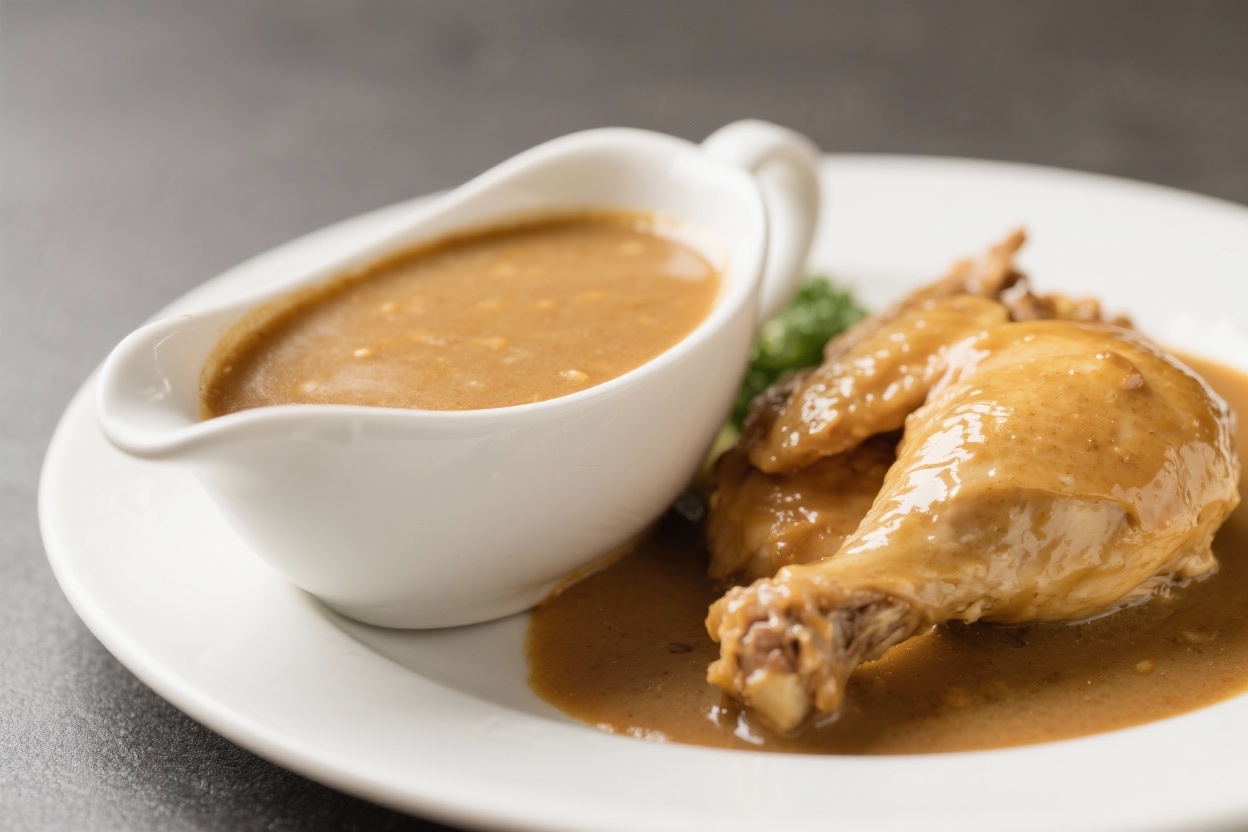
A good chicken gravy can turn a plain meal into something special. It’s the kind of sauce that makes mashed potatoes sing and brings leftover chicken back to life. This version comes together quickly with pantry staples and real chicken flavor.
No fancy techniques, just straightforward steps that work every time. If you’ve been relying on packets, this will show you how easy—and tastier—it is to make gravy from scratch.
Ingredients
Method
- Collect the drippings: After roasting chicken, pour the pan juices into a heatproof measuring cup. Let the fat rise. Spoon off some fat and return it to the pan to cook the roux. You want about 4 tablespoons total fat. If you don’t have drippings, use 4 tablespoons butter.
- Warm the fat: Set a medium saucepan over medium heat. Add the drippings fat and/or butter. If using minced onion or garlic, soften it in the fat for 1–2 minutes until fragrant but not browned.
- Make the roux: Sprinkle in the flour. Whisk constantly for 2–3 minutes until the mixture turns light golden and smells toasty. Don’t rush this—cooking the flour removes the raw taste.
- Deglaze (optional but great): If using wine or sherry, splash it in and whisk. Let it simmer for 30 seconds to cook off the alcohol.
- Add the stock gradually: Pour in about 1/2 cup of stock while whisking. When smooth, add another 1/2 cup. Keep whisking and adding stock in stages until you’ve added 2 cups.
- Season it: Stir in onion powder, garlic powder, thyme, black pepper, and a small pinch of salt. Add Worcestershire or soy sauce if using.
- Simmer to thicken: Bring to a gentle simmer. Cook 3–5 minutes, whisking occasionally, until the gravy coats the back of a spoon. If it’s too thick, whisk in more stock. If too thin, simmer a bit longer.
- Finish and adjust: Taste and adjust salt and pepper. For extra richness, whisk in a splash of cream or a small pat of butter off the heat.
- Strain (optional): For an ultra-smooth gravy, pour through a fine-mesh strainer into a warm serving bowl or gravy boat.
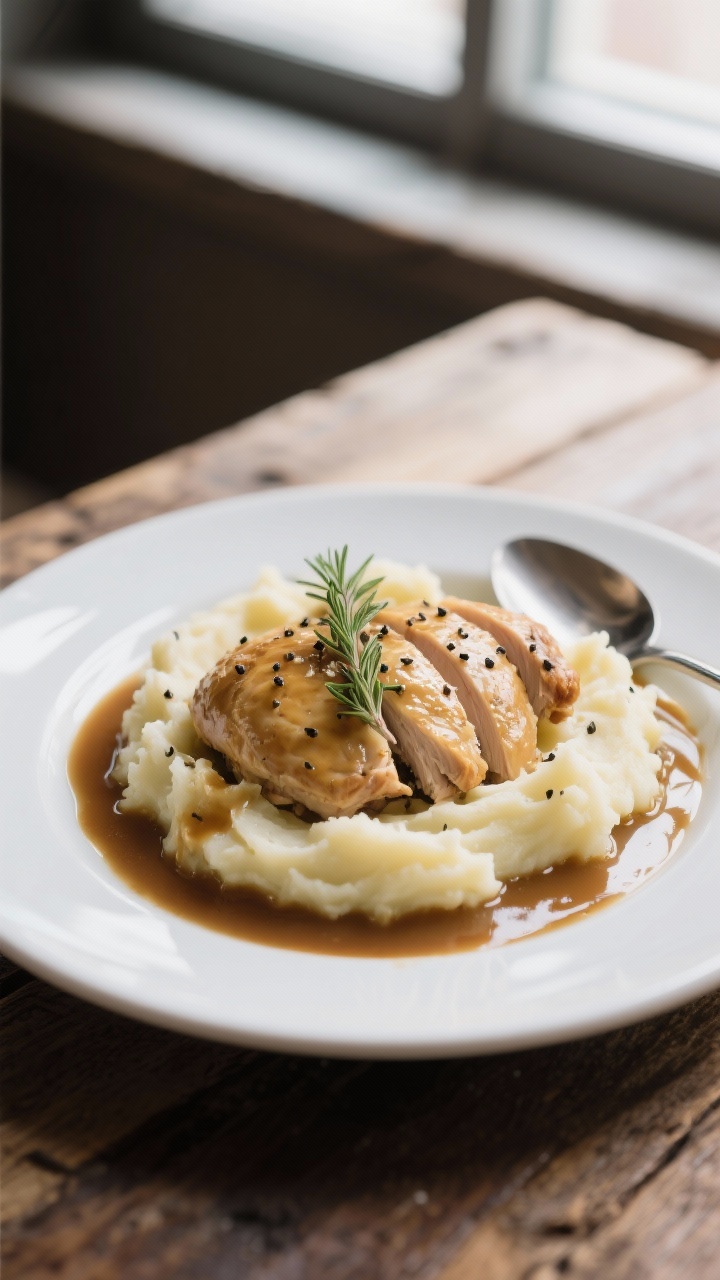
- Serve: Keep warm and serve over chicken, mashed potatoes, biscuits, or rice.
What Makes This Recipe So Good

- Deep flavor from pan drippings, stock, and a hint of aromatics.
- Foolproof texture thanks to a classic roux that delivers silky, lump-free gravy.
- Flexible ingredients: use drippings if you have them, or butter and stock if you don’t.
- Quick to make: ready in about 15 minutes, start to finish.
- Works with anything: roast chicken, fried chicken, biscuits, mashed potatoes, rice, or veggies.
What You’ll Need
- Chicken drippings from a roasted chicken (2–4 tablespoons), or use butter if you don’t have drippings
- Unsalted butter (2–4 tablespoons; use enough to reach 4 tablespoons total fat with drippings)
- All-purpose flour (1/4 cup)
- Chicken stock or broth (2–3 cups, preferably low sodium)
- Onion powder (1/2 teaspoon) or very finely minced onion (1 tablespoon, optional)
- Garlic powder (1/4 teaspoon) or one small garlic clove, minced
- Fresh or dried thyme (1/4 teaspoon)
- Black pepper (to taste)
- Kosher salt (to taste)
- Optional boosters: a splash of dry white wine or sherry (1–2 tablespoons), a dash of Worcestershire sauce (1/2 teaspoon), or a teaspoon of soy sauce for depth
- Optional finishers: a small splash of cream (1–2 tablespoons) or a pat of butter for gloss
How to Make It
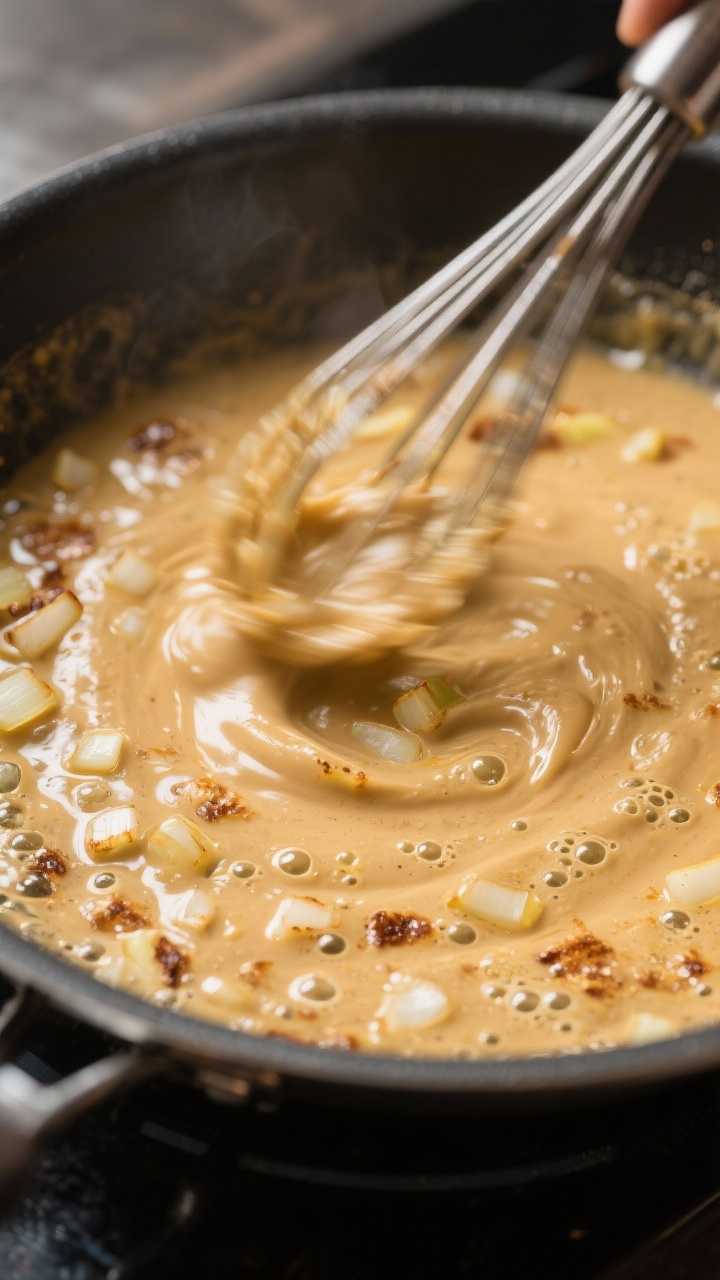
- Collect the drippings: After roasting chicken, pour the pan juices into a heatproof measuring cup. Let the fat rise.
Spoon off some fat and return it to the pan to cook the roux. You want about 4 tablespoons total fat. If you don’t have drippings, use 4 tablespoons butter.
- Warm the fat: Set a medium saucepan over medium heat.
Add the drippings fat and/or butter. If using minced onion or garlic, soften it in the fat for 1–2 minutes until fragrant but not browned.
- Make the roux: Sprinkle in the flour. Whisk constantly for 2–3 minutes until the mixture turns light golden and smells toasty.
Don’t rush this—cooking the flour removes the raw taste.
- Deglaze (optional but great): If using wine or sherry, splash it in and whisk. Let it simmer for 30 seconds to cook off the alcohol.
- Add the stock gradually: Pour in about 1/2 cup of stock while whisking. When smooth, add another 1/2 cup.
Keep whisking and adding stock in stages until you’ve added 2 cups.
- Season it: Stir in onion powder, garlic powder, thyme, black pepper, and a small pinch of salt. Add Worcestershire or soy sauce if using.
- Simmer to thicken: Bring to a gentle simmer. Cook 3–5 minutes, whisking occasionally, until the gravy coats the back of a spoon.
If it’s too thick, whisk in more stock. If too thin, simmer a bit longer.
- Finish and adjust: Taste and adjust salt and pepper. For extra richness, whisk in a splash of cream or a small pat of butter off the heat.
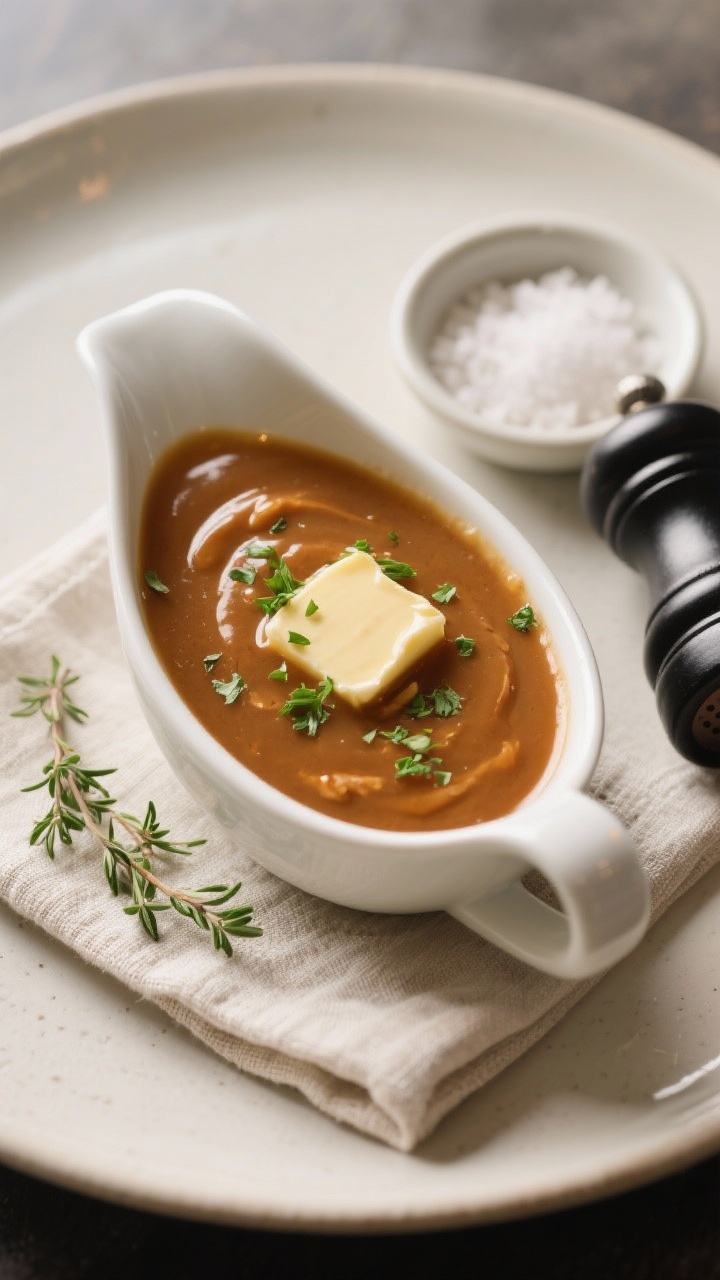
- Strain (optional): For an ultra-smooth gravy, pour through a fine-mesh strainer into a warm serving bowl or gravy boat.
- Serve: Keep warm and serve over chicken, mashed potatoes, biscuits, or rice.
Storage Instructions
- Refrigerate: Cool completely, then store in an airtight container for up to 4 days.
- Freeze: Place in freezer-safe containers or bags for up to 3 months.
Leave room for expansion.
- Reheat: Warm gently on the stovetop over low heat, whisking. If thick, add a splash of water or stock to loosen. Avoid boiling to prevent separation.
Benefits of This Recipe
- Budget-friendly: Turns simple ingredients and leftovers into something special.
- Customizable: Adjust thickness, seasoning, and richness to match your meal.
- Reliable technique: The roux method gives consistent results and works for other gravies too.
- Better flavor than packets: Real stock and aromatics make a clear difference.
- Quick comfort: Adds warmth and body to weeknight dinners without extra effort.
Common Mistakes to Avoid
- Skipping the roux cook time: If you don’t cook the flour long enough, the gravy can taste raw and pasty.
- Adding all the stock at once: This can cause lumps.
Add in stages and whisk until smooth before adding more.
- Over-salting early: Stocks vary in saltiness and the gravy reduces as it simmers. Season lightly, then adjust at the end.
- High heat: Boiling hard can break the gravy or make it gluey. Keep it at a gentle simmer.
- Ignoring pan drippings: The browned bits are flavor gold.
Use them if you have them.
Variations You Can Try
- Mushroom chicken gravy: Sauté 1 cup sliced mushrooms in the butter before adding the flour. Adds earthiness and texture.
- Herb-forward gravy: Stir in fresh parsley, thyme, and a touch of rosemary at the end for brightness.
- Creamy country-style: Add 1/4 cup heavy cream at the end and a pinch of nutmeg.
- Lemon-pepper gravy: Finish with 1–2 teaspoons lemon juice and extra black pepper for a zesty kick.
- Gluten-free: Replace flour with 2 tablespoons cornstarch. Skip the roux: whisk cornstarch into cold stock, then add to hot fat and simmer until thick.
- Smoky version: A dash of smoked paprika and Worcestershire deepens the flavor, great with grilled chicken.
- Stock swap: For a lighter taste, mix chicken stock with a bit of vegetable stock.
FAQ
Can I make chicken gravy without drippings?
Yes.
Use butter as the fat and a good low-sodium chicken stock for body. A splash of Worcestershire or soy sauce helps replace the savory depth you’d get from drippings.
How do I fix lumpy gravy?
Whisk vigorously while it’s hot. If lumps remain, blend with an immersion blender or strain through a fine-mesh sieve.
Next time, add the stock gradually and whisk well between additions.
How do I make the gravy thicker or thinner?
For thicker gravy, simmer a few extra minutes or whisk in a small slurry (1 teaspoon cornstarch mixed with 1 tablespoon cold water). For thinner gravy, add more warm stock a little at a time.
What if my gravy tastes bland?
Add salt and pepper gradually, then consider a small dash of Worcestershire, soy sauce, or a squeeze of lemon to brighten. A knob of butter at the end can round out the flavor.
Can I use bouillon or stock concentrate?
You can, but go easy.
They can be salty. Dilute with water and taste as you go to avoid over-seasoning.
How long does homemade gravy last?
About 4 days in the fridge or up to 3 months in the freezer. Reheat gently and add a splash of stock if it thickens too much.
Is it safe to freeze gravy with dairy?
Yes, but cream-heavy gravies may separate slightly when thawed.
Reheat gently and whisk to bring it back together. Adding a little fresh stock can help.
Can I make it ahead?
Absolutely. Make it up to 2 days in advance.
Reheat slowly and adjust thickness with a splash of stock just before serving.
Final Thoughts
This chicken gravy recipe is all about simple technique and solid flavor. With a basic roux, good stock, and a few seasonings, you get a sauce that ties the whole meal together. It’s weeknight-friendly, holiday-ready, and endlessly adaptable.
Keep this method in your back pocket, and you’ll never be far from a rich, comforting gravy that tastes like you cooked all day.
Printable Recipe Card
Want just the essential recipe details without scrolling through the article? Get our printable recipe card with just the ingredients and instructions.