French Toast Recipe – Simple, Cozy, and Perfect for Breakfast


French toast is one of those breakfasts that feels like a hug on a plate. It’s quick to make, uses basic ingredients, and tastes like something special. Whether you’re cooking for a lazy weekend morning or a small crowd, this recipe has you covered.
The outside is golden and slightly crisp, while the inside stays soft and custardy. Add fresh fruit, syrup, or a dusting of powdered sugar, and you’ve got a plate that never disappoints.
Ingredients
Method
- Choose the right bread. Use thick, sturdy slices. Day-old bread is ideal because it soaks up custard without getting soggy.
- Make the custard. In a wide bowl, whisk eggs, milk, sugar, vanilla, cinnamon, and salt until smooth and well combined. You want no streaks of egg white.
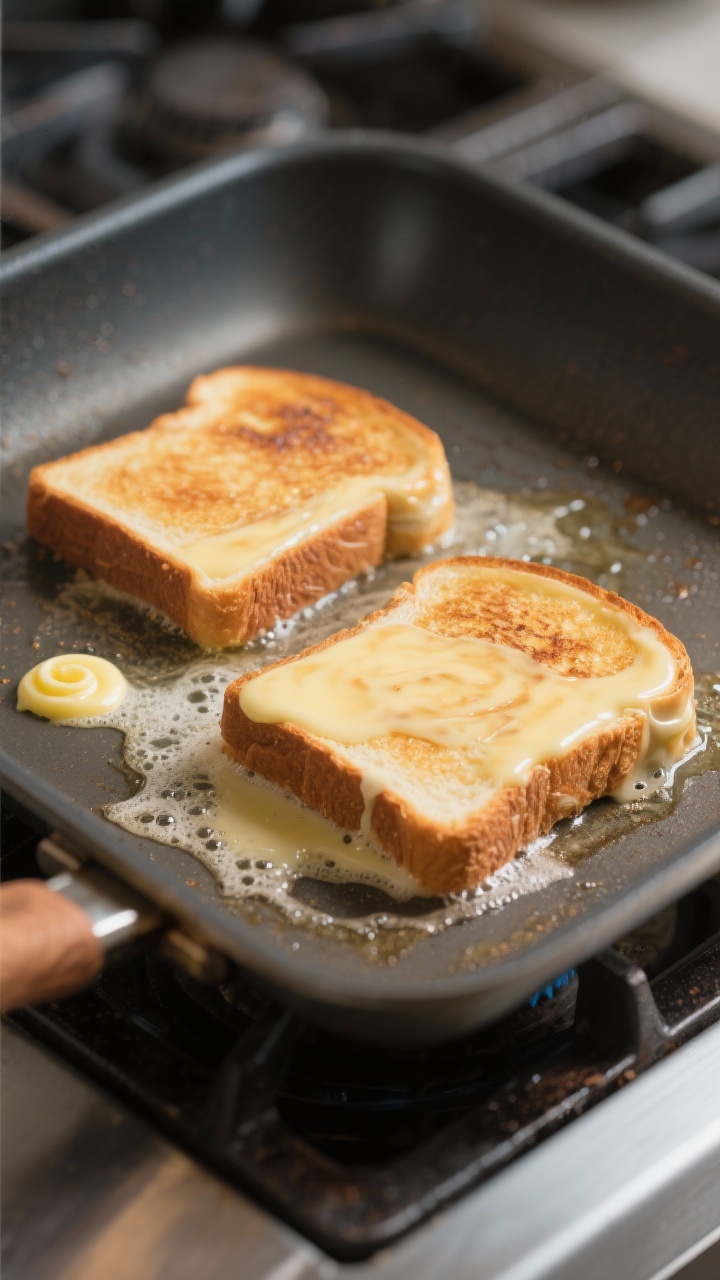
- Preheat your pan. Heat a large nonstick skillet or griddle over medium heat. Add a small pat of butter and let it melt and foam, but don’t let it burn.
- Soak the bread. Place a slice of bread in the custard and let it sit for about 10–20 seconds per side. It should absorb the mixture but still hold its shape. Thick brioche may need a little longer.
- Cook until golden. Lay the soaked bread on the hot, buttered pan. Cook 2–3 minutes per side, until golden brown with crisp edges and a soft center. Add more butter between batches as needed.
- Keep warm. If making a larger batch, place cooked slices on a baking sheet in a 200°F (95°C) oven to stay warm while you finish the rest.
- Serve with toppings. Plate warm French toast with maple syrup, powdered sugar, and fresh fruit. Nuts add crunch; a little whipped cream turns it into a treat.
What Makes This Special
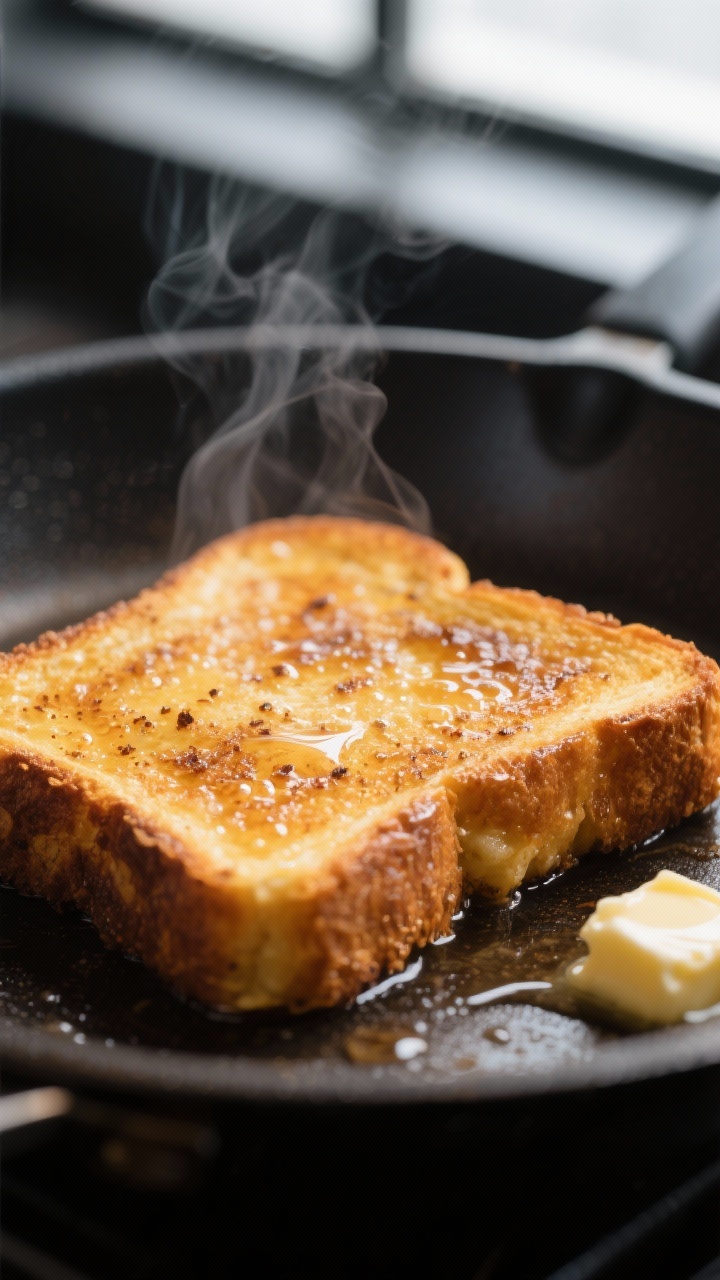
This French toast hits the sweet spot between simple and satisfying. It uses thick slices of bread that soak up a creamy, lightly spiced custard without falling apart.
The method gives you evenly browned slices with just the right amount of richness. It’s also flexible: you can make it dairy-free, less sweet, or gluten-free with easy swaps. Best of all, it comes together fast, so you can spend more time eating and less time fussing.
Ingredients
- 6 thick slices of bread (brioche, challah, or Texas toast; day-old is best)
- 3 large eggs
- 3/4 cup whole milk (or half-and-half for extra richness)
- 2 tablespoons granulated sugar (adjust to taste)
- 1 teaspoon pure vanilla extract
- 1/2 teaspoon ground cinnamon
- Pinch of salt
- 2 tablespoons butter (for the pan; add more as needed)
- Optional toppings: maple syrup, powdered sugar, fresh berries, sliced bananas, whipped cream, chopped nuts
Instructions

- Choose the right bread. Use thick, sturdy slices.
Day-old bread is ideal because it soaks up custard without getting soggy.
- Make the custard. In a wide bowl, whisk eggs, milk, sugar, vanilla, cinnamon, and salt until smooth and well combined. You want no streaks of egg white.
- Preheat your pan. Heat a large nonstick skillet or griddle over medium heat. Add a small pat of butter and let it melt and foam, but don’t let it burn.
- Soak the bread. Place a slice of bread in the custard and let it sit for about 10–20 seconds per side.
It should absorb the mixture but still hold its shape. Thick brioche may need a little longer.
- Cook until golden. Lay the soaked bread on the hot, buttered pan. Cook 2–3 minutes per side, until golden brown with crisp edges and a soft center.
Add more butter between batches as needed.
- Keep warm. If making a larger batch, place cooked slices on a baking sheet in a 200°F (95°C) oven to stay warm while you finish the rest.
- Serve with toppings. Plate warm French toast with maple syrup, powdered sugar, and fresh fruit. Nuts add crunch; a little whipped cream turns it into a treat.
Storage Instructions
- Refrigerate: Let leftovers cool completely. Store in an airtight container for up to 3 days.
- Freeze: Arrange slices in a single layer on a parchment-lined sheet and freeze until solid.
Transfer to a freezer bag for up to 2 months. Separate layers with parchment to prevent sticking.
- Reheat: For best texture, reheat in a toaster oven or 350°F (175°C) oven for 8–10 minutes. A skillet over medium heat works too.
The microwave is quick but softens the crust.
Why This is Good for You
French toast can be part of a balanced breakfast with a few smart choices. Eggs provide high-quality protein, and milk adds calcium and vitamin D. Pairing your toast with fresh fruit adds fiber and natural sweetness, so you can use less syrup.
Using whole-grain bread boosts fiber and makes the meal more satisfying. You can also control sugar and portion size to keep it lighter while still enjoying the comfort factor.
Pitfalls to Watch Out For
- Soggy texture: Over-soaking or using flimsy bread leads to mushy slices. Use thick, slightly stale bread and soak briefly.
- Eggy streaks: Custard not fully whisked can leave eggy spots.
Whisk thoroughly until smooth.
- Burning butter: Butter can brown too fast. Keep the heat at medium and add fresh butter as needed. If your pan runs hot, lower the heat slightly.
- Undercooked centers: If the outside browns too quickly, your heat is too high.
Aim for steady, even browning to cook the custard through.
- Too sweet: Syrup plus sugar in the batter can be overkill. Reduce the sugar in the custard if you like a sweeter topping.
Alternatives
- Dairy-free: Use almond milk, oat milk, or coconut milk. Add an extra teaspoon of sugar or maple syrup if your milk is unsweetened.
- Gluten-free: Choose a sturdy gluten-free bread.
Slightly stale slices work best to avoid crumbling.
- Protein boost: Whisk in 1–2 tablespoons of plain Greek yogurt or a scoop of unflavored protein powder. Thin with a splash more milk if needed.
- Spice it up: Add a pinch of nutmeg, cardamom, or pumpkin pie spice. Citrus zest (lemon or orange) brightens the flavor.
- Stuffed French toast: Spread cream cheese or mascarpone between two slices, then soak and cook.
Keep heat moderate so the center warms through.
- Savory version: Skip sugar and vanilla. Add salt, pepper, and grated Parmesan. Serve with smoked salmon, sautéed mushrooms, or a fried egg.
FAQ
What’s the best bread for French toast?
Brioche and challah are favorites because they’re rich and absorb custard without falling apart.
Texas toast and thick-cut white bread also work well. Day-old bread is ideal.
How do I keep French toast from getting soggy?
Use thick, slightly stale bread and soak it briefly. Cook over medium heat so the custard sets inside as the outside browns.
Avoid overloading the pan with butter or custard.
Can I make the batter ahead of time?
Yes. Mix the custard up to 24 hours in advance and store it covered in the fridge. Give it a quick whisk before using.
Is it okay to use non-dairy milk?
Absolutely.
Oat, almond, or soy milk work well. If the milk is very thin, cook a touch longer to set the custard.
How do I cook French toast for a crowd?
Use a griddle for more surface area. Keep finished slices warm in a 200°F (95°C) oven on a wire rack set over a sheet pan.
Serve family-style with a topping bar.
Do I need sugar in the custard?
No, it’s optional. Sugar helps with browning and light sweetness, but you can skip it if you prefer to rely on syrup or fruit.
Why is my French toast pale and soft?
The pan may not be hot enough. Preheat properly and use a bit of butter for color.
A small amount of sugar also helps with browning.
Can I freeze French toast?
Yes. Freeze in a single layer, then store in a freezer bag. Reheat in the oven or toaster oven for the best texture.
What’s a good topping besides syrup?
Try fresh berries, sliced bananas, a spoonful of yogurt, toasted nuts, fruit compote, or a drizzle of honey.
For savory, add avocado and a sprinkle of chili flakes.
How do I make it extra crispy?
Use slightly drier bread, don’t over-soak, and cook with a mix of butter and a little neutral oil. Finish on a wire rack in a 350°F (175°C) oven for 5 minutes.
Wrapping Up
This French Toast Recipe is simple, adaptable, and always satisfying. With good bread, a well-balanced custard, and steady heat, you’ll get that golden outside and custardy center every time.
Keep the toppings fun and flexible, and tailor the sweetness to your taste. Whether you go classic with syrup or switch it up with savory extras, this is a breakfast that feels like a treat without the fuss. Enjoy it fresh, or make a batch to reheat for easy mornings.

Printable Recipe Card
Want just the essential recipe details without scrolling through the article? Get our printable recipe card with just the ingredients and instructions.