Bibimbap Recipe (Korean Mixed Rice Bowl) – A Colorful, Satisfying Weeknight Meal

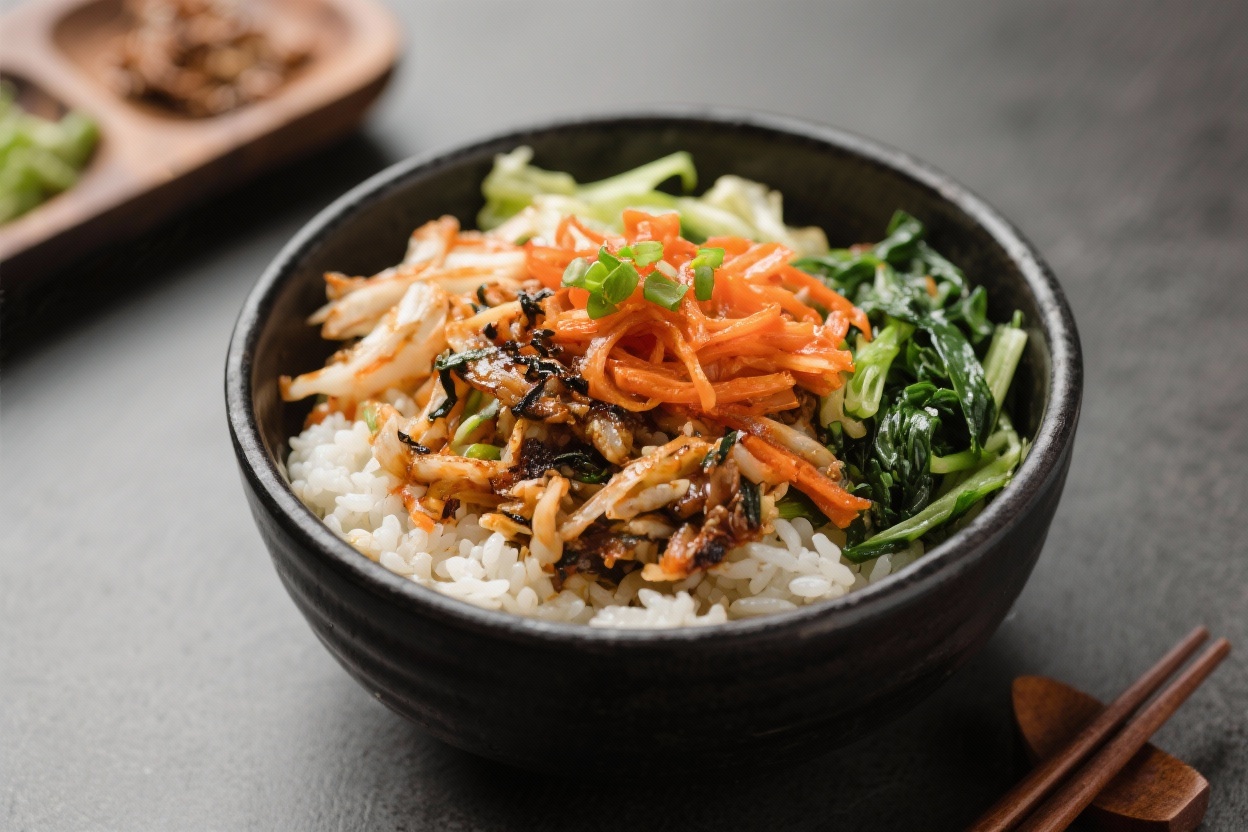
Bibimbap is the kind of meal that makes you look forward to dinner. It’s colorful, cozy, and full of textures—crispy edges, tender veggies, and a runny egg on top. Think of it as a nourishing rice bowl you can tailor to your taste.
You’ll get savory meat (or tofu), crunchy vegetables, tangy kimchi, and a spicy-sweet gochujang sauce. It looks impressive, but it’s surprisingly easy once you prep the toppings.
Bibimbap Recipe (Korean Mixed Rice Bowl) - A Colorful, Satisfying Weeknight Meal
Ingredients
Method
- Cook the rice: Make 3 cups of fluffy white rice. Day-old rice works great. Keep it warm.
- Marinate the protein: In a bowl, mix soy sauce, sugar, sesame oil, minced garlic, and pepper. Toss in the beef or tofu and let sit for 10–15 minutes.
- Mix the sauce: Whisk gochujang, soy sauce, sesame oil, rice vinegar, and sugar/honey. Add a splash of water to thin to drizzle consistency. Taste and adjust sweetness or heat.
- Prep the veggies: Julienne carrots and zucchini, slice mushrooms, rinse spinach and sprouts. Keep each in separate piles for quick cooking.
- Blanch greens: Boil water, blanch spinach 30 seconds, then drain and squeeze out water. Toss with a pinch of salt, a dab of sesame oil, and sesame seeds. Repeat with bean sprouts for 1–2 minutes; season the same way.
- Stir-fry the vegetables: In a hot pan with a touch of oil, sauté carrots with a pinch of salt until just tender (1–2 minutes). Remove. Sauté zucchini with a pinch of salt (1–2 minutes). Remove. Sauté mushrooms with a small splash of soy sauce until browned (2–3 minutes). Keep everything separate for a clean presentation.
- Cook the protein: In the same pan, cook the marinated beef over medium-high heat until just cooked and slightly caramelized (2–4 minutes). If using tofu, pan-fry until golden on both sides, then toss with the marinade at the end to coat.
- Fry the eggs: Add a little oil to the pan and fry eggs sunny-side up or over-easy. The runny yolk is classic.
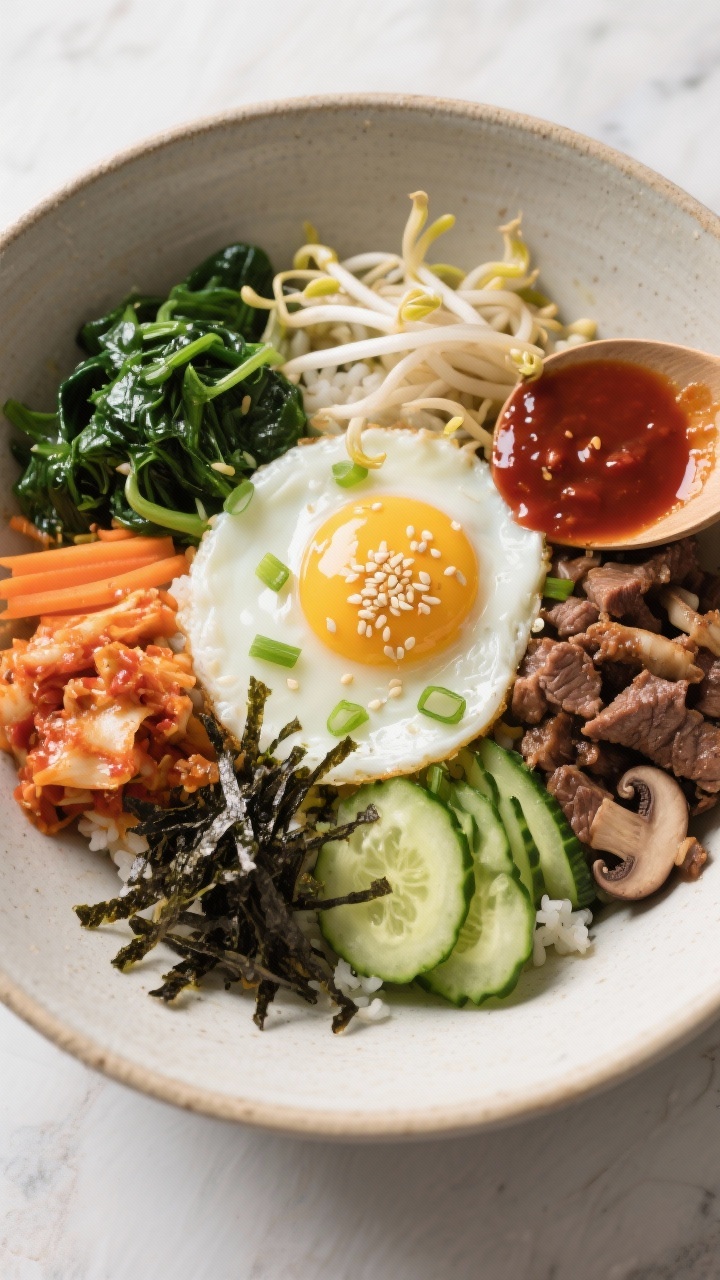
- Assemble: Divide hot rice into bowls. Arrange spinach, sprouts, carrots, zucchini, mushrooms, cucumber, and kimchi in neat piles on top. Add the beef or tofu in the center or side. Place an egg on top.
- Finish and serve: Drizzle with sesame oil, sprinkle sesame seeds and scallions, and add a spoonful of the gochujang sauce. Serve extra sauce on the side. To eat, mix everything well so the rice gets coated in sauce and yolk.
What Makes This Special
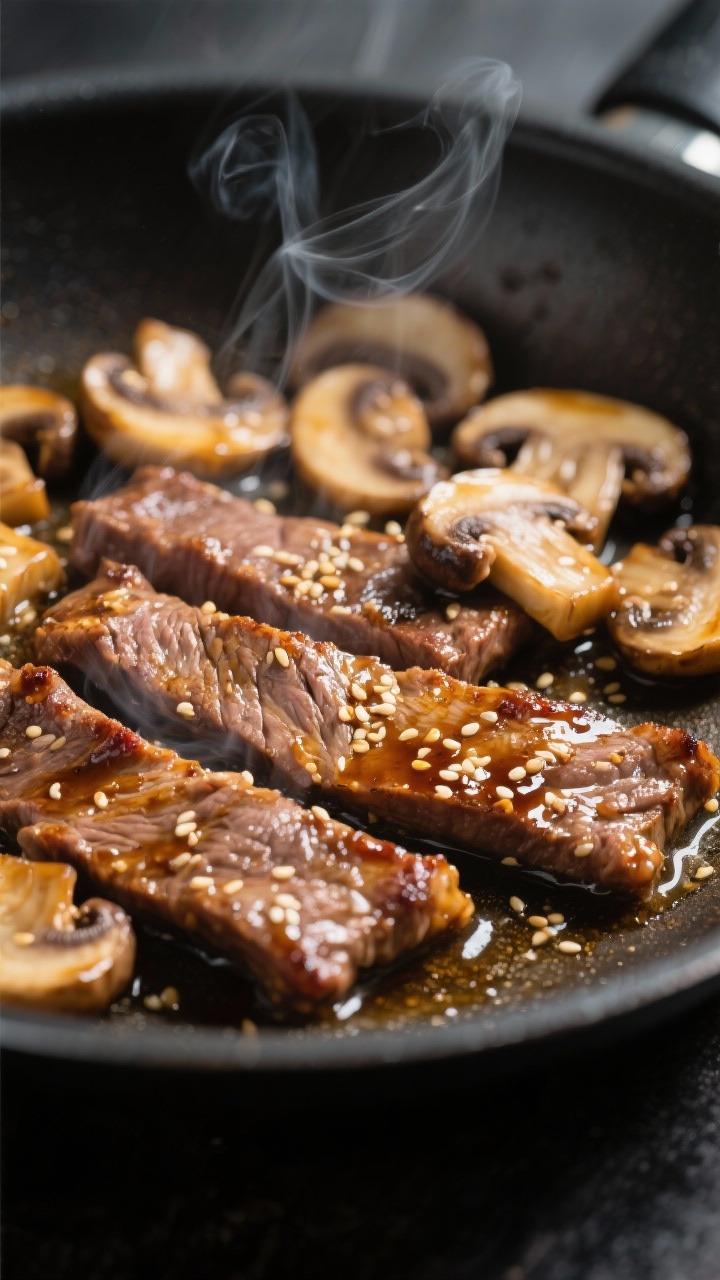
This bibimbap recipe balances sweet, salty, spicy, and tangy in every bite. The vegetables are lightly seasoned, the beef is savory and slightly sweet, and the gochujang sauce ties everything together.
It’s also flexible—swap the protein, change the veggies, or adjust the heat. Best of all, it’s a smart way to use leftover rice and whatever produce you have on hand. If you love a “clean out the fridge” kind of meal that still feels special, this one’s for you.
What You’ll Need
- Cooked white rice (short- or medium-grain preferred), about 3 cups
- Protein: 8 oz thinly sliced beef (ribeye, sirloin, or ground beef) or firm tofu
- Vegetables:
- 1 small carrot, julienned
- 1 small zucchini, julienned
- 1 cup spinach
- 1 cup bean sprouts (optional but traditional)
- 4–5 shiitake mushrooms, sliced (or any mushrooms)
- 1/2 small cucumber, thinly sliced (optional, fresh topping)
- Kimchi: 1/2 cup, chopped (optional but highly recommended)
- Eggs: 2–4 eggs (one per bowl)
- For the beef marinade (or tofu):
- 1 tablespoon soy sauce
- 1 teaspoon sugar or honey
- 1 teaspoon sesame oil
- 1 clove garlic, minced
- Pinch of black pepper
- For the gochujang sauce:
- 2 tablespoons gochujang (Korean red pepper paste)
- 1 tablespoon soy sauce
- 1 tablespoon sesame oil
- 1 tablespoon rice vinegar
- 1–2 teaspoons sugar or honey (to taste)
- 1–2 teaspoons water (to loosen, if needed)
- Seasonings and garnish:
- Sesame oil
- Sesame seeds
- Salt and pepper
- Neutral oil for cooking
- Gochugaru (Korean chili flakes), optional
- Scallions, thinly sliced, optional
- Roasted seaweed strips (gim), optional
Instructions
- Cook the rice: Make 3 cups of fluffy white rice.
Day-old rice works great. Keep it warm.
- Marinate the protein: In a bowl, mix soy sauce, sugar, sesame oil, minced garlic, and pepper. Toss in the beef or tofu and let sit for 10–15 minutes.
- Mix the sauce: Whisk gochujang, soy sauce, sesame oil, rice vinegar, and sugar/honey.
Add a splash of water to thin to drizzle consistency. Taste and adjust sweetness or heat.
- Prep the veggies: Julienne carrots and zucchini, slice mushrooms, rinse spinach and sprouts. Keep each in separate piles for quick cooking.
- Blanch greens: Boil water, blanch spinach 30 seconds, then drain and squeeze out water.
Toss with a pinch of salt, a dab of sesame oil, and sesame seeds. Repeat with bean sprouts for 1–2 minutes; season the same way.
- Stir-fry the vegetables: In a hot pan with a touch of oil, sauté carrots with a pinch of salt until just tender (1–2 minutes). Remove.
Sauté zucchini with a pinch of salt (1–2 minutes). Remove. Sauté mushrooms with a small splash of soy sauce until browned (2–3 minutes).
Keep everything separate for a clean presentation.
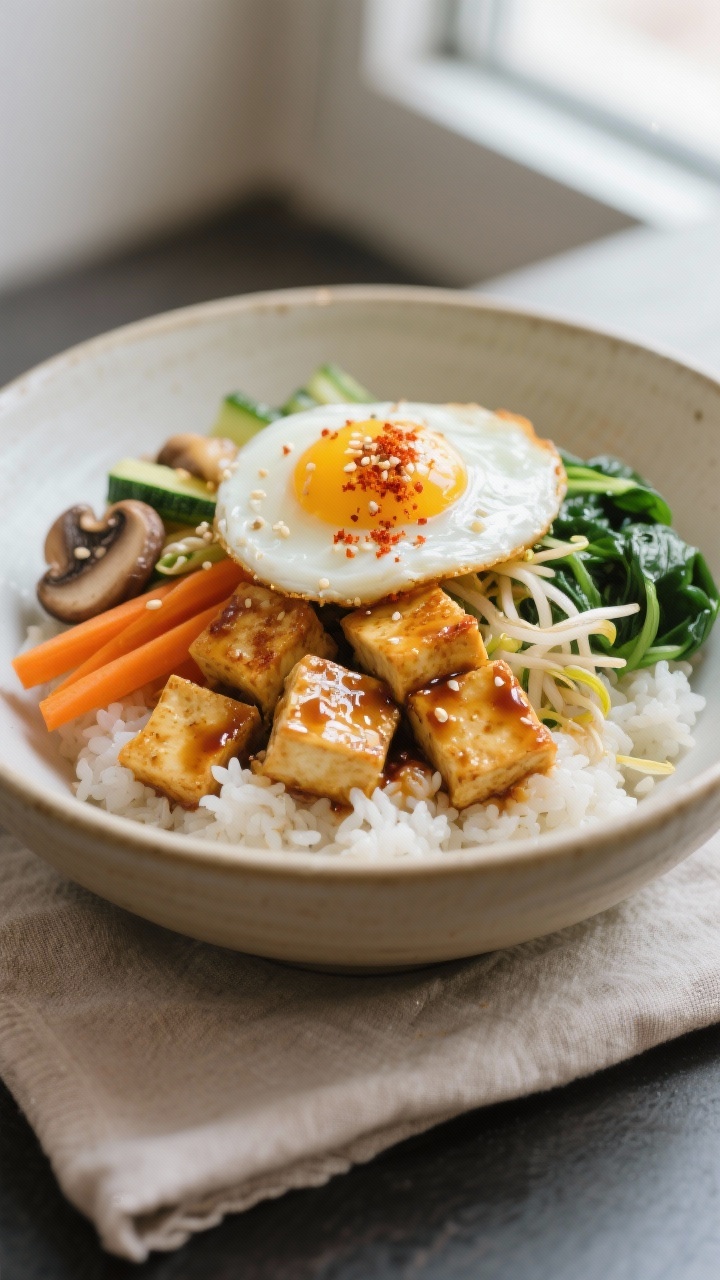
- Cook the protein: In the same pan, cook the marinated beef over medium-high heat until just cooked and slightly caramelized (2–4 minutes). If using tofu, pan-fry until golden on both sides, then toss with the marinade at the end to coat.
- Fry the eggs: Add a little oil to the pan and fry eggs sunny-side up or over-easy. The runny yolk is classic.
- Assemble: Divide hot rice into bowls.
Arrange spinach, sprouts, carrots, zucchini, mushrooms, cucumber, and kimchi in neat piles on top. Add the beef or tofu in the center or side. Place an egg on top.
- Finish and serve: Drizzle with sesame oil, sprinkle sesame seeds and scallions, and add a spoonful of the gochujang sauce.
Serve extra sauce on the side. To eat, mix everything well so the rice gets coated in sauce and yolk.
How to Store
Keep each component in separate containers for up to 3–4 days in the fridge. Store rice, cooked veggies, protein, and sauce individually.
Add the egg fresh when serving. Reheat rice and toppings in the microwave or a skillet, then assemble with a freshly fried egg and sauce.
If freezing, stick to the rice and cooked beef or tofu. Most vegetables lose texture after freezing.
The sauce keeps well in the fridge for up to 2 weeks.
Health Benefits
- Balanced meal: You get complex carbs from rice, protein from beef or tofu, and plenty of fiber from vegetables.
- Fermented goodness: Kimchi adds probiotics that support gut health.
- Healthy fats: Sesame oil and seeds provide heart-friendly fats and antioxidants.
- Micronutrients: Spinach, mushrooms, and sprouts pack iron, B vitamins, and minerals.
- Customizable: Adjust portions and ingredients to fit your dietary needs.
Common Mistakes to Avoid
- Overcrowding the pan: Sauté vegetables in small batches so they stay crisp-tender, not soggy.
- Skipping seasoning: Give each component a pinch of salt or light seasoning. Small steps add up to big flavor.
- Using very wet vegetables: Pat veggies dry before cooking to avoid steaming.
- Cold rice: Warm rice helps the sauce spread and makes the bowl more comforting.
- Too much sauce at once: Start with a spoonful and add more as you mix. Gochujang can be strong.
Variations You Can Try
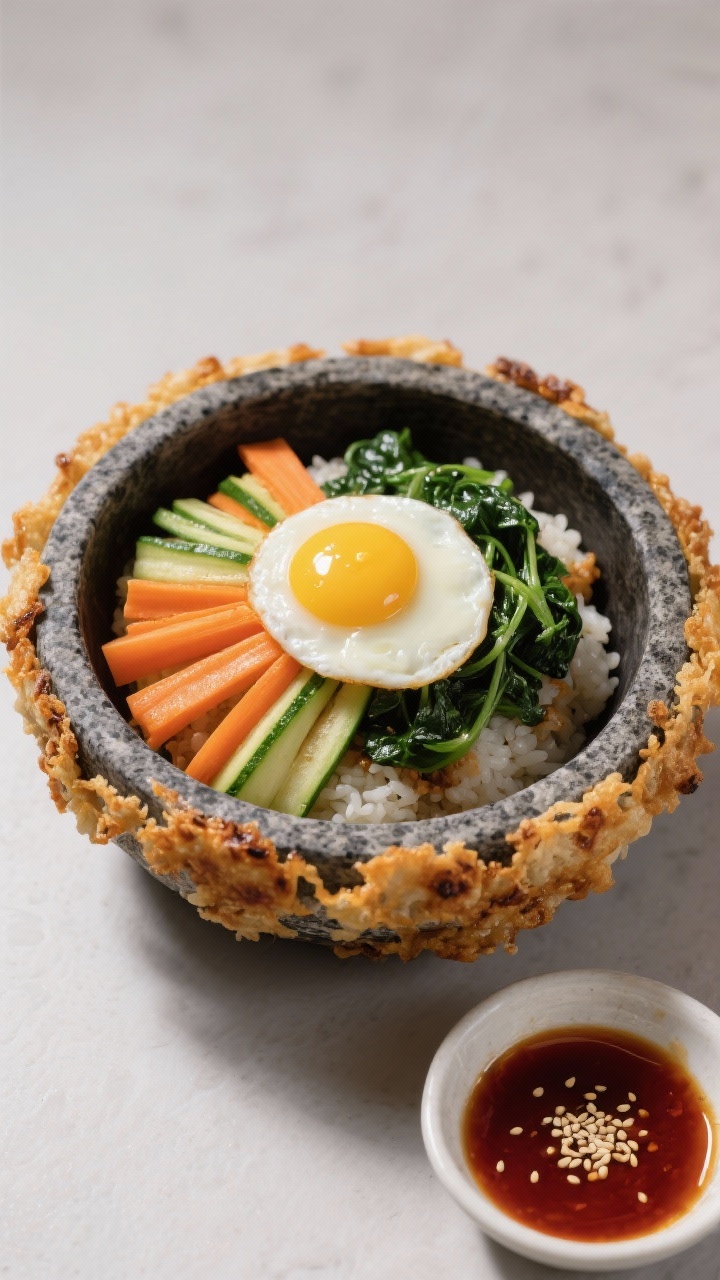
- Stone pot (Dolsot) bibimbap: Heat a stone bowl with a bit of oil and pack in the rice so it crisps on the bottom.
Add toppings and serve sizzling.
- Vegetarian or vegan: Use tofu or tempeh. Swap honey for sugar or maple syrup. Top with a jammy soy-marinated tofu slice instead of egg.
- Chicken or pork: Use thinly sliced chicken thigh or pork shoulder with the same marinade.
- Brown rice or cauliflower rice: A great way to add fiber or cut carbs while keeping the vibe.
- Extra crunch: Add pickled radish, roasted seaweed, or toasted nuts for texture.
- Mild version: Reduce or skip gochujang and use a light soy-sesame dressing instead.
FAQ
Can I make bibimbap ahead of time?
Yes.
Cook and store each component separately. Reheat the rice and toppings, then add a freshly fried egg and sauce right before serving. This keeps the textures bright and the egg runny.
What if I don’t have gochujang?
Use a mix of chili paste or sriracha with a bit of miso or soy sauce, sugar, and sesame oil.
It won’t be exactly the same, but you’ll get a similar sweet-spicy umami effect.
Which rice works best?
Short- or medium-grain white rice gives the best texture. It clings slightly, which helps the sauce and toppings mix evenly. Sushi rice or Korean rice is ideal.
Is bibimbap spicy?
It can be, but it’s easy to control.
Add less sauce or thin it with water and a touch of sugar. You can also serve the sauce on the side so everyone adjusts their own spice level.
Do I need a special pan or stone bowl?
No special equipment is required. A regular skillet works for sautéing.
If you have a stone pot, it’s a fun upgrade for crispy rice, but it’s optional.
Can I use leftover vegetables?
Absolutely. Bibimbap is perfect for leftovers. Just season lightly and balance flavors with the sauce and sesame oil.
In Conclusion
Bibimbap is colorful, comforting, and endlessly customizable.
Once you prep the components, assembly is quick and satisfying. Keep the rice warm, season each topping, and don’t skip the gochujang sauce. Mix well, enjoy the textures, and make it your own every time you cook it.
Printable Recipe Card
Want just the essential recipe details without scrolling through the article? Get our printable recipe card with just the ingredients and instructions.
Sumayya is a home cook and recipe creator who shares simple, flavorful recipes made for everyday cooking. She believes good food should be easy, comforting, and enjoyed by everyone.